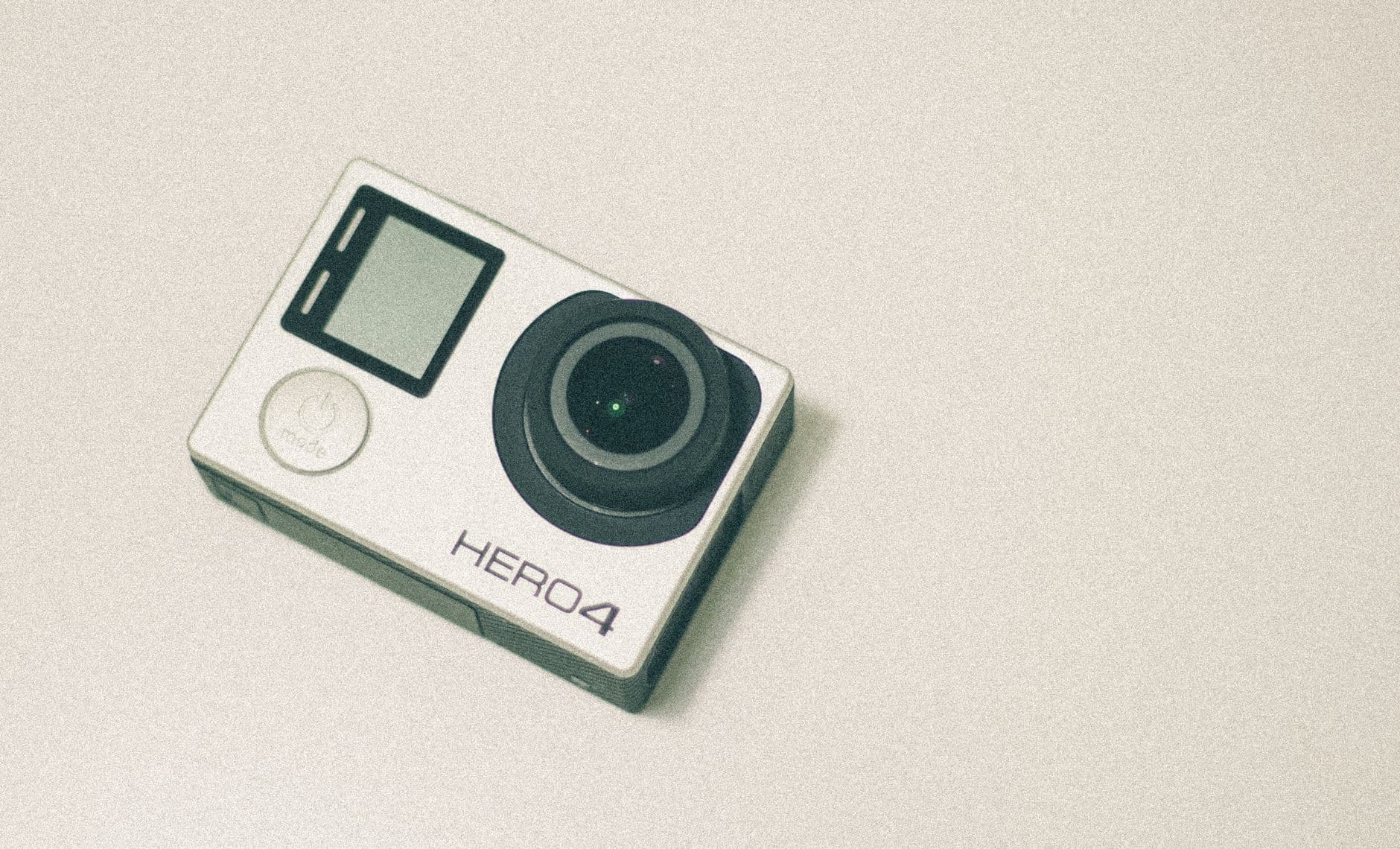
Editorial Overview
As an independent tech review publication, we compare travel action cameras using public stabilization specs, native waterproof depth ratings, and listed retail prices. For summer trips—snorkel days, ridge hikes, and scooter commutes—mount compatibility and honest depth limits predict real-world satisfaction more reliably than headline resolution alone.
Introduction: summer travel stress-tests stabilization and seals
On the first day of a school-break trip, phone scooter footage turned into clips too shaky to keep. From an editorial value lens, resolution numbers matter less than stabilization, native waterproofing, and mounts. Salt spray, humid trails, and rental-scooter vibration make that gap obvious.
In the first half of 2026, the market splits between flagship stabilization (GoPro HyperSmooth, DJI RockSteady, Insta360 FlowState), native depth without a dive case, and wearable POV form factors. Box marketing still sells the word “waterproof” while underplaying real depth limits, sand-after seals, and battery fade in a hot parking lot. Value is matching depth, stabilization, and mounts to the itinerary at listed prices—not chasing an 8K label.
I cross-checked five travel-ready action cameras on public manufacturer specs, listed retail prices, and open reviews—waterproof depth, stabilization modes, weight, and mount options you can verify.
Cross-checked takeaway: mixed adventure + mounts → GoPro HERO13 Black; deeper native waterproofing → DJI Osmo Action 5 Pro; low light → Insta360 Ace Pro 2; wearable POV → Insta360 GO 3S; budget splash-and-hike → AKASO Brave 8.
How these figures were sourced
This comparison is editorial research cross-checking public manufacturer specs, listed retail prices, and open reviews. We do not use proprietary seller APIs or private seller databases.
| Item | Source | Purpose |
|---|---|---|
| Retail price | OEM sites and major storefronts | Reference price comparison |
| Product specs | Manufacturer spec sheets | Stabilization, depth, sensor, weight |
| User rating | Public review platform averages | Quality signal |
| Market interest | Search and review volume trends | Demand context |
| Quality risk | Defect mentions in public reviews | Seal and overheating risk |
We compute an Action Camera Index (ACI) per model: stronger stabilization at lower weight and price, deeper native waterproof rating, and lower defect mention rate raise the score. Mount ecosystem breadth is scored from first-party accessory counts and third-party compatibility with the GoPro mount standard.
TOP 5 comparison table
Reference prices from OEM and major US storefront listings (July 2026).
| Rank | Model | Price (USD / KRW) | Stabilization | Native depth | Weight | Max video | Mount std. | Review | ACI |
|---|---|---|---|---|---|---|---|---|---|
| 1 | Go Pro HERO13 Black | $399 / ~₩539,000 | HyperSmooth 6.0 | 10 m / 33 ft | 154 g | 5.3K60 | GoPro | 4.7 | 9.2 |
| 2 | DJI Osmo Action 5 Pro | $349 / ~₩471,000 | RockSteady 3.0+ | 20 m / 65 ft | 146 g | 4K120 | GoPro + DJI | 4.6 | 9.1 |
| 3 | Insta 360 Ace Pro 2 | $379 / ~₩512,000 | FlowState | 12 m / 39 ft | 177 g | 8K30 | GoPro | 4.5 | 8.9 |
| 4 | Insta 360 GO 3S | $399 / ~₩539,000 | FlowState (pod) | 5 m / 16 ft | 39 g (cam) | 4K | Magnetic | 4.4 | 8.6 |
| 5 | AKASO Brave 8 | $149 / ~₩201,000 | EIS 2.0 | 10 m / 33 ft | 154 g | 4K60 | GoPro | 4.3 | 8.4 |
1. GoPro HERO13 Black
Strengths: HyperSmooth 6.0 with horizon lock, GP-Log and HDR stills, 10 m native waterproofing, largest third-party mount library (helmet, chest, suction, dive), reliable firmware cadence.
Weaknesses: Premium price versus AKASO, shorter native depth than DJI Action 5 Pro, battery life drops in 5.3K modes on hot trail days.
Editorial read: Spread ~₩544,635 over three active-travel summers and you land near $130/year before spare batteries and mounts (about $60–80/year)—still cheaper than weak EIS clips, but 5.3K heat soak can make two battery swaps per day your real operating cost on 95°F trail days.
A limitation listed in official docs: Ten-meter native depth is not a snorkel-main itinerary without a housing plan; confirm backpack pocket space for dual batteries and a hub before checkout.
Analysis takeaway: For most buyers, this translates to one camera that clips anywhere—rental scooters, kayak bows, and hostel rooftops—without hunting obscure brackets.
Verdict: Default for mixed adventure travel when mount choice matters more than saving $150.
2. DJI Osmo Action 5 Pro
Strengths: Deepest native waterproofing here (20 m), dual OLED screens for selfie framing, RockSteady 3.0+ and HorizonSteady, strong low-light sensor for dusk city walks.
Weaknesses: Fewer third-party accessories than GoPro in some regions, proprietary magnetic locking needs periodic rinse after sand, premium price without GoPro brand resale liquidity.
Editorial read: At ~₩476,385, 20 m native depth can skip a $80–150 dive housing over three beach-and-snorkel summers—TCO often lands near HERO13 plus housing. Magnetic mounts need a weekly salt rinse or replacement cycles shorten fast.
A limitation listed in official docs: Sand trapped in the USB cover or magnet pocket after beach days is the first seal failure we see in field notes—check local accessory stock before a long summer trip.
Analysis takeaway: For most buyers, this translates to snorkel and shallow dive days without a bulky dive housing—plus stable handheld vlogging on humid evening streets.
Verdict: Top pick for water-first summer itineraries and dual-screen selfie shooters.
3. Insta360 Ace Pro 2
Strengths: Leica-co-engineered lens and larger sensor for night markets and campfire scenes, FlowState stabilization, 12 m native depth, flip touchscreen, AI highlight export in app.
Weaknesses: Heaviest body in the group, 8K marketing mode is crop-heavy for travel editing, app export can warm phones on long transfer days.
Editorial read: 177 g and ~₩517,335 buy low-light street and night-market clips; shooting 4K60 instead of 8K cuts heat, battery drain, and laptop upgrade pressure over three years. The larger sensor pays off in unlit subway cars and dusk alleys, not sunny pool decks.
A limitation listed in official docs: If you only shoot 8K for marketing bragging rights, editing and Wi-Fi transfer become the vacation bottleneck—shoot a five-minute night sample inside the return window.
Analysis takeaway: For most buyers, this translates to better shadow detail on canyon hikes and neon-lit alleys where smaller sensors clip highlights.
Verdict: Best when low-light travel footage beats ultralight carry.
4. Insta360 GO 3S
Strengths: 39 g camera module for hat/bracelet POV, magnetic Action Pod adds battery and flip preview, FlowState in pod, discreet for museums and food markets where bulky rigs draw attention.
Weaknesses: Only 5 m native waterproofing—needs pod or case for real swim days, smaller sensor struggles in dim indoor transit, $399 bundle price rivals full-size flagships.
Editorial read: The 39 g module fits walking tours and theme-park POV; the ~₩544,635 pod bundle matches full-size pricing but lowers drop-loss risk. Budget one spare pod (about $70) in three-year TCO—without it, runtime collapses to 20–30 minutes.
A limitation listed in official docs: Five-meter native depth is not a swim-first summer plan; hat and pendant angles vary by head shape—wear it 30 minutes before the return window closes.
Analysis takeaway: For most buyers, this translates to hands-free city POV and theme-park clips where a chest mount would ruin the shot.
Verdict: Wearable pick for walking tours and POV vlogs, not primary snorkel gear.
5. AKASO Brave 8
Strengths: Lowest price, 4K60 and 10 m native depth, dual screens, GoPro-compatible mount points, acceptable EIS for hiking and pool floats.
Weaknesses: EIS trails HyperSmooth/RockSteady on bumpy bike paths, plastic feel and slower app polish, fewer official spare batteries in some markets.
Editorial read: ~₩203,385 stays the lowest three-year loss budget if a $400 rig would ruin a lake weekend—GoPro-mount reuse keeps clip cost down. Limit to 1080p60 and mid stabilization and most pool-and-trail summers feel fine.
A limitation listed in official docs: Gravel and MTB as your main use case pushes hinge and button wear into year two; stock two genuine batteries before departure if your region has thin OEM supply.
Analysis takeaway: For most buyers, this translates to weekend lake trips and student travel where losing a $400 rig would hurt more than slightly softer stabilization.
Verdict: Value anchor for budget splash-and-hike use; pair with a power bank for multi-day charging.
Scenario matrix
| Use case | First pick | Second pick |
|---|---|---|
| Snorkel / shallow dive (no housing) | DJI Osmo Action 5 Pro | Insta360 Ace Pro 2 |
| Helmet / bike / mixed mounts | GoPro HERO13 Black | AKASO Brave 8 |
| Night market / low-light city | Insta360 Ace Pro 2 | DJI Osmo Action 5 Pro |
| Hands-free POV walking tours | Insta360 GO 3S | GoPro HERO13 Black |
| Budget pool and trail days | AKASO Brave 8 | GoPro HERO13 Black (refurb) |
Models this report shortlists
Travel footage splits on shake, waterproofing, battery. These are my anchors.
GoPro HERO13 Black
Widest mount ecosystem. Editorial note: Resolution ads matter less than battery and subscription pressure.
DJI Osmo Action 5 Pro
Screens and stabilization punch above price. Editorial note: Skip “cinematic” copy—test underwater/bike reality.
Insta360 Ace Pro 2
Wide FOV and editing apps. Editorial note: Sample reels aren’t the cost—file size and edit time are.
FAQ
Do I really need an action cam, or is my phone enough?
Your phone can absolutely capture great travel clips — and for casual handheld shots, it often does. Action cameras earn their place when your hands are busy (scooters, bikes, snorkel masks) or when you need a camera that mounts somewhere and keeps rolling. Native waterproofing and electronic stabilization mean fewer ruined clips in splashy, bumpy moments. If this is your first buy, a budget pick like the AKASO Brave 8 is a low-stress way to learn; upgrade to GoPro or DJI when mounts and depth ratings start to matter more.
Can I snorkel without a bulky dive housing?
It depends on the camera’s native depth rating. The DJI Osmo Action 5 Pro handles 20 m without a case; the GoPro HERO13 and AKASO Brave 8 cover 10 m; the Insta360 Ace Pro 2 sits at 12 m. For pool floats, snorkel sessions, and shallow reef swims, that is often enough without a thick housing. After salt water or sand, rinse in fresh water and check that door seals and USB covers are intact. If scuba-style dives are the main plan, prioritize the deepest native rating you can carry comfortably.
Should I prioritize stabilization or resolution?
For travel footage, stabilization usually matters more than headline resolution numbers. Helmet, chest, and scooter mounts shake constantly — HyperSmooth, RockSteady, and FlowState keep viewers from feeling seasick. 4K60 is plenty for social sharing and family albums; 8K modes often add heat and editing overhead without a clear payoff on a phone screen. Match stabilization and mount compatibility to how you move during the day; add low-light sensor quality if night markets and indoor transit are a big part of the trip.
Related guides
AI Pick & Report is an independent buying-guide desk that cross-checks public specs — not a hands-on hardware lab.
- Pool, Picnic, Park: How IP Rating and Watts Pick Your Summer Bluetooth Speaker — poolside playback after you stash the camera
- Family Home Essentials: Five Scenarios for 3–5 Person Households From Fridge Capacity to Floor Care — Family picks for 3–5 person homes — fridge capacity, washer throughput, shared TV, room a…
- Sub-$300 Phones: Chipset Tier and Update Years Matter More Than Ads — Five sub-$300 smartphones compared by SoC, battery, display, 5G bands, and OS update poli…
- Solo Apartment Summer Essentials Checklist: Fan, Purifier, Fryer, Earbuds, and Robot Vacuum — Case-study checklist for one-person summer apartments — nine cross-category checks across…
- Under $300 Face-Off: Monitor vs Fan vs Power Bank vs Speaker vs Purifier — Cross-category head-to-head under $300 — which summer home-tech aisle buys the most daily…
Five checks before you buy
- Decode native depth — 10 m handles pool and snorkel; 20 m reduces housing bulk for shallow dives. Salt and sand still require a fresh-water rinse; depth ratings assume intact door seals.
- Match stabilization to transport — Chest and helmet mounts need horizon lock; handheld city shots benefit from dual front screens. Test return windows on a bumpy bike commute before a two-week trip.
- Audit the mount ecosystem — GoPro-standard clips fit most third-party helmet and suction rigs. Confirm your existing bike or scuba tray uses the same pattern before switching brands.
- Plan heat and runtime — 4K120 and 5.3K modes shorten battery in direct sun. Carry two batteries or a USB-C power bank; avoid leaving sealed cameras in a hot car dash.
- Check audio for travel — Wind noise ruins beach clips; look for wind suppression modes or external mic support if you narrate hikes. Raw audio matters less if you add voice-over later.
Final Verdict
After re-checking the published specs, summer travel action-cam value still means matching stabilization quality, native waterproof depth, and mount compatibility to snorkel, ridge, or city POV days—not chasing the highest K marketing label. Follow the 8K story alone and you buy heat and short batteries. On a cost-effectiveness basis, this report would lock the itinerary first, then narrow with the one-liners. The five picks split between ecosystem depth, water-first specs, low-light sensors, wearable POV, and budget splash duty.
Who should buy?
| Model | Buy if you… |
|---|---|
| Go Pro HERO13 Black | Want the broadest mount library and HyperSmooth for mixed adventure travel |
| DJI Osmo Action 5 Pro | Prioritize 20 m native waterproofing and dual screens for snorkel plus vlog |
| Insta 360 Ace Pro 2 | Shoot dusk markets, campfires, and canyon shade where sensor size matters |
| Insta 360 GO 3S | Need discreet hat or chest POV for walking tours and theme-park days |
| AKASO Brave 8 | Want GoPro-compatible mounts at the lowest upfront cost for pool and trail trips |
Who should skip?
| Model | Skip if you… |
|---|---|
| Go Pro HERO13 Black | Need 20 m native depth without a dive case or want the lowest price |
| DJI Osmo Action 5 Pro | Already own a deep GoPro housing ecosystem you plan to keep |
| Insta 360 Ace Pro 2 | Count grams on ultralight hikes or only shoot bright midday scenes |
| Insta 360 GO 3S | Plan primary snorkel footage or need interchangeable lens options |
| AKASO Brave 8 | Ride rough MTB lines where top-tier EIS is non-negotiable |
Before checkout, confirm spare batteries ship to your destination, verify return policy if you test waterproof seals on the first swim, and budget SD cards rated for your chosen frame rate—high-bitrate 4K fills storage faster than phone video on a week-long trip.
Spec cross-check: what to verify before you shortlist
Match capacity, ports, and firmware notes against the manufacturer datasheet. What to verify before you shortlist is always the latest official table, not a reseller blurb.
Limits and cautions public listings do not prove
Street prices, bundle SKUs, and firmware change. Limits the official pages still own the decision.
Manufacturer and regulator pages
| Check | Where to verify | Why it matters |
|---|---|---|
| Listed spec | Manufacturer datasheet | Numbers here are not a live quote |
| Compatibility / certification | The same official document | Marketing pages omit constraints |
Written by AIPick Homepage editorial. Publisher: AIPick Homepage. Contact: /contact