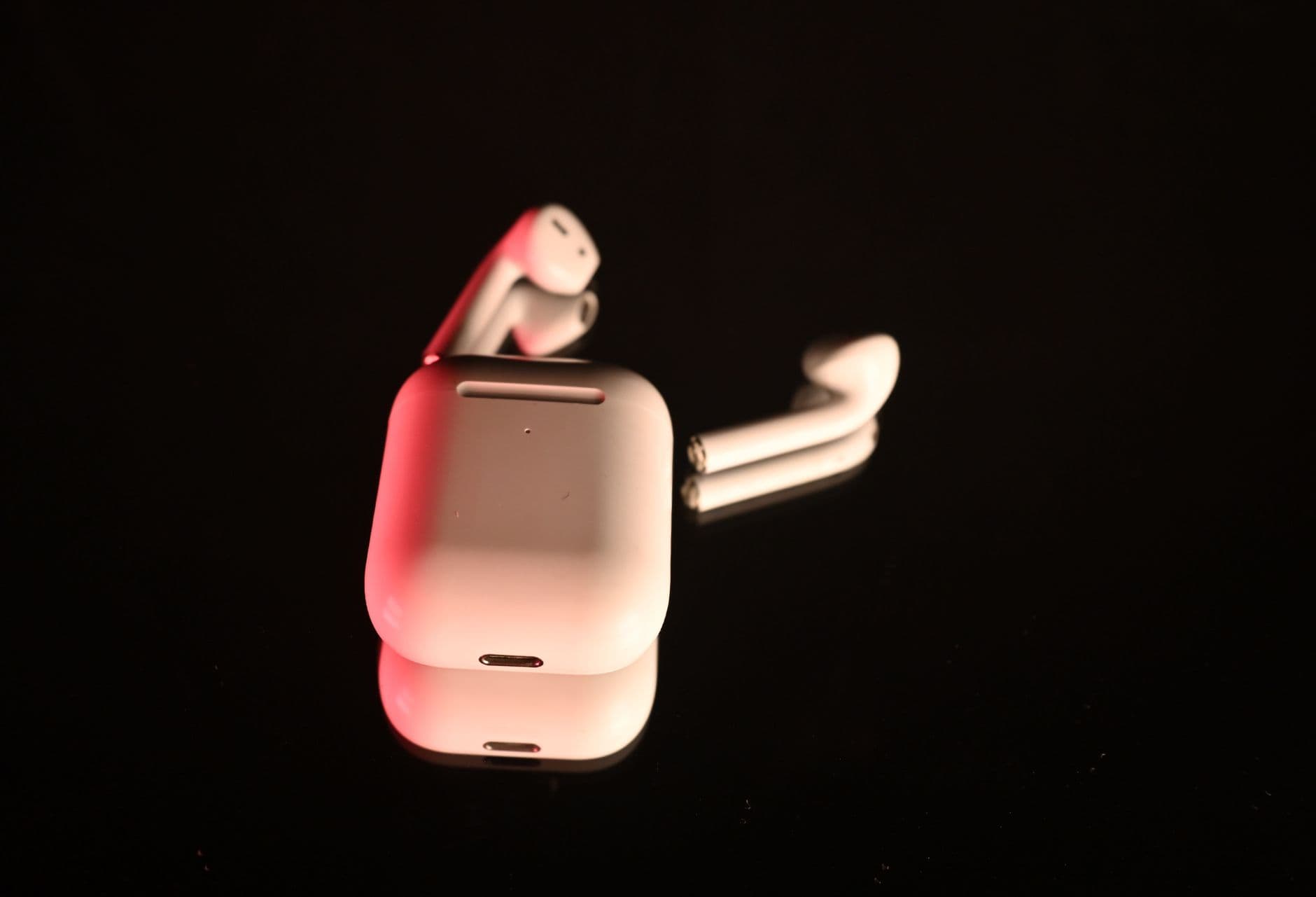
Start with the limit that actually bites: budget, room, and noise
Many budget earbuds look identical on an online listing: a compact case, a small battery number, a vague 'noise reduction' badge. But the first useful filter is blunt: how much are you willing to lose, how noisy is the room you actually use them in, and how long do you need them before the case needs a charger? For under $100, you will not get flagship-tier ANC, and that is fine. You should be checking which sacrifices affect your daily pattern. A bus commuter needs stronger low-frequency attenuation. A desk worker needs comfort and multipoint. A runner needs a stable fit and an IP rating, not just codec marketing.
The trade-offs that actually change the bill
Codec support is the most misunderstood spec. SBC and AAC are everywhere; LDAC and Samsung SSC improve streaming detail on supporting phones but also cost battery. A high-bitrate LDAC session can cut runtime by roughly one to two hours versus SBC/AAC in the same buds. ANC depth also trades against battery and comfort: deeper cancellation often means a sealed nozzle, larger case, and pressure that some ears hate. Then there is the boring stuff—microphone placement, app EQ, and ear tip sizes—which often matters more day-to-day than a 3 dB ANC spec. The comparison below focuses on cross-checked public manufacturer numbers and widely reported open-review patterns, not lab measurements we did not run.
Three retail models that fit those limits
Anker Soundcore Space A40
Listed around $99.99 (₩132,487), this is the pick when multipoint, wireless charging, and LDAC matter more than maximum ANC. Soundcore publishes up to 10 hours with ANC off and 50 hours with the case; open reviews generally report slightly lower under LDAC. You get a compact case, IPX4, and a very flexible app EQ. The main weakness is microphone quality in wind, which can make outdoor calls frustrating. Recommended pick: for Android users who want LDAC without spending over $100.
EarFun Air Pro 4
Listed around $89.99 (₩119,237), the Air Pro 4 covers hybrid ANC, LDAC, Bluetooth 5.4, and multipoint. EarFun claims up to 11 hours per charge and 52 hours total; real-use numbers typically land around 8–9 hours with LDAC and ANC on. It is the strongest value for people who switch between a laptop and phone often. Editorial read: the spec sheet is unusually complete for the price; the trade-off is less brand-known app polish and a slightly larger stem design.
Samsung Galaxy Buds FE
Listed around $99.99 (₩132,487), Samsung's entry ANC earbuds use SSC for best quality on Galaxy phones, falling back to AAC/SBC elsewhere. Samsung rates battery at up to 8.5 hours with ANC off and about 6 hours with ANC on; case total is roughly 21–30 hours depending on codec. Wingtips make it the most stable for exercise and long walks. A limitation listed in official docs: iPhone users lose SSC and most of the codec advantage, so they are paying a Samsung tax for a standard AAC earbud.
| Model | Listed price | Battery (earbuds / case) | Codec | ANC | Evidence and note |
|---|---|---|---|---|---|
| Anker Soundcore Space A40 | $99.99 (₩132,487) | Up to 10h / 50h | SBC, AAC, LDAC | Active, adaptive | Public spec lists multipoint and wireless charging; open reviews note LDAC reduces runtime. |
| Ear Fun Air Pro 4 | $89.99 (₩119,237) | Up to 11h / 52h | SBC, AAC, LDAC | Hybrid ANC | Public spec includes Bluetooth 5.4, multipoint, IPX5; open reviews say stem mic handles indoor calls well but not strong wind. |
| Samsung Galaxy Buds FE | $99.99 (₩132,487) | Up to 8.5h / 21–30h | SBC, AAC, SSC | Active | Public spec lists wingtips and 3-mic system; Galaxy phones get SSC but iPhones drop to AAC. |
Three-year cost, not launch-day MSRP
The $10 difference between these three disappears fast when you consider accessories and wear. Replaceable ear tips matter if you use them daily; all three support standard tips, but Samsung's wingtip design may require official replacements if you lose one. Battery degradation after two to three years also changes the math: a case that starts at 50 hours may be closer to 40 hours by year two, so buying a slightly larger initial battery is a form of future-proofing. Over three years, the EarFun Air Pro 4 has the lowest total expected cost because of its lower entry price and commonly available third-party tips; the Soundcore Space A40 offsets cost with longer case capacity but may need a new case sooner if wireless charging pads wear. The Buds FE carry the highest replacement friction for non-Samsung ecosystems. Analysis takeaway: total three-year cost is mostly initial price plus one set of tips and one possible case, so the $10 gap is real but not dominant. Total cost of ownership (3-year): the gap between these three is less than one replacement case, so codec and ecosystem fit should decide the purchase.
- Capacity and power — match real use and the outlet/circuit you actually have.
- Upkeep cost — price filters, descaling, and parts over three years.
- Install and service — check footprint, plumbing, and a reachable service center before you buy.
FAQ
Do I need LDAC if I mostly stream from YouTube or Spotify?
No, because those services use lossy streams that sit within AAC/SBC territory on most phones. LDAC helps with local high-resolution files or lossless services like Apple Music or Tidal on Android. If your phone is an iPhone, LDAC is irrelevant from the start.
Which budget earbud has the strongest ANC for a bus commute?
On paper, the EarFun Air Pro 4 has the most aggressive hybrid ANC spec for the price, but the Galaxy Buds FE often feels more effective on low rumble because its wingtips give a tighter seal. The Soundcore Space A40 is more about comfort than maximum cancellation, so it is better for a library than a diesel bus.
What does the total battery number mean in real life?
The case total includes recharging from the case, not continuous 50 hours of playback. If a model says 50 hours, you may get about five full top-ups of a 10-hour earbud, minus real-world codec and volume losses. Budget estimates are best treated as 70–80% of published numbers.
Who should skip these budget ANC earbuds?
Skip if you need premium transparency mode, one-tap voice assistant with always-on mics, or extreme wind-noise isolation for biking; those are still flagship features. Also skip if your daily device is an iPhone and you care about Samsung SSC, because the Buds FE lose that advantage. And if you are very sensitive to in-ear pressure, all three can feel tight; over-ear noise-cancelling headphones may suit you better.
Who should buy
Buy this if your real-world use matches the scenarios in this report.
Final Verdict
Buy: the Soundcore Space A40 if you want LDAC, multipoint, and wireless charging on Android. Buy: the EarFun Air Pro 4 if you juggle two devices and want the most complete spec sheet under $100. Buy: the Galaxy Buds FE if you already live in Samsung's ecosystem and want stable fit. Wait: if you are on a tight $50 limit, wait for a sale or an older generation discount; the codec gains do not justify staying up a tier. Skip: if you expect flagship-level transparency, wind-call quality, or zero pressure; these are still budget earbuds, not mini flagship buds. Who should skip: iPhone users who want Samsung SSC, and anyone who needs an always-on voice assistant with low latency across devices.
Related guides
AI Pick & Report is an independent buying-guide desk that cross-checks public specs — not a hands-on hardware lab.
- Pool, Picnic, Park: How IP Rating and Watts Pick Your Summer Bluetooth Speaker — Five portable Bluetooth speakers compared for summer outdoors—IP rating, battery, loudnes…
- Solo Apartment Summer Essentials Checklist: Fan, Purifier, Fryer, Earbuds, and Robot Vacuum — Case-study checklist for one-person summer apartments — nine cross-category checks across…
- Portable SSD Specs Decoded: USB Speed Tiers, TBW, and Summer Backup Workflows — USB Gen tiers, TBW endurance, and backup workflows for vacation photos, dorm moves, and s…
- Sub-$300 Phones: Chipset Tier and Update Years Matter More Than Ads — Five sub-$300 smartphones compared by SoC, battery, display, 5G bands, and OS update poli…
- Samsung Galaxy Z Fold6 Deep-Dive: Unfolding a New Era of Mobile Productivity — Our editorial team puts the Samsung Galaxy Z Fold6 through real-world testing, comparing…
Spec cross-check: what to verify before you shortlist
Match capacity, ports, and firmware notes against the manufacturer datasheet. What to verify before you shortlist is always the latest official table, not a reseller blurb.
Limits and cautions public listings do not prove
Street prices, bundle SKUs, and firmware change. Limits the official pages still own the decision.
Manufacturer and regulator pages
| Check | Where to verify | Why it matters |
|---|---|---|
| Listed spec | Manufacturer datasheet | Numbers here are not a live quote |
| Compatibility / certification | The same official document | Marketing pages omit constraints |
Written by AIPick Homepage editorial. Publisher: AIPick Homepage. Contact: /contact