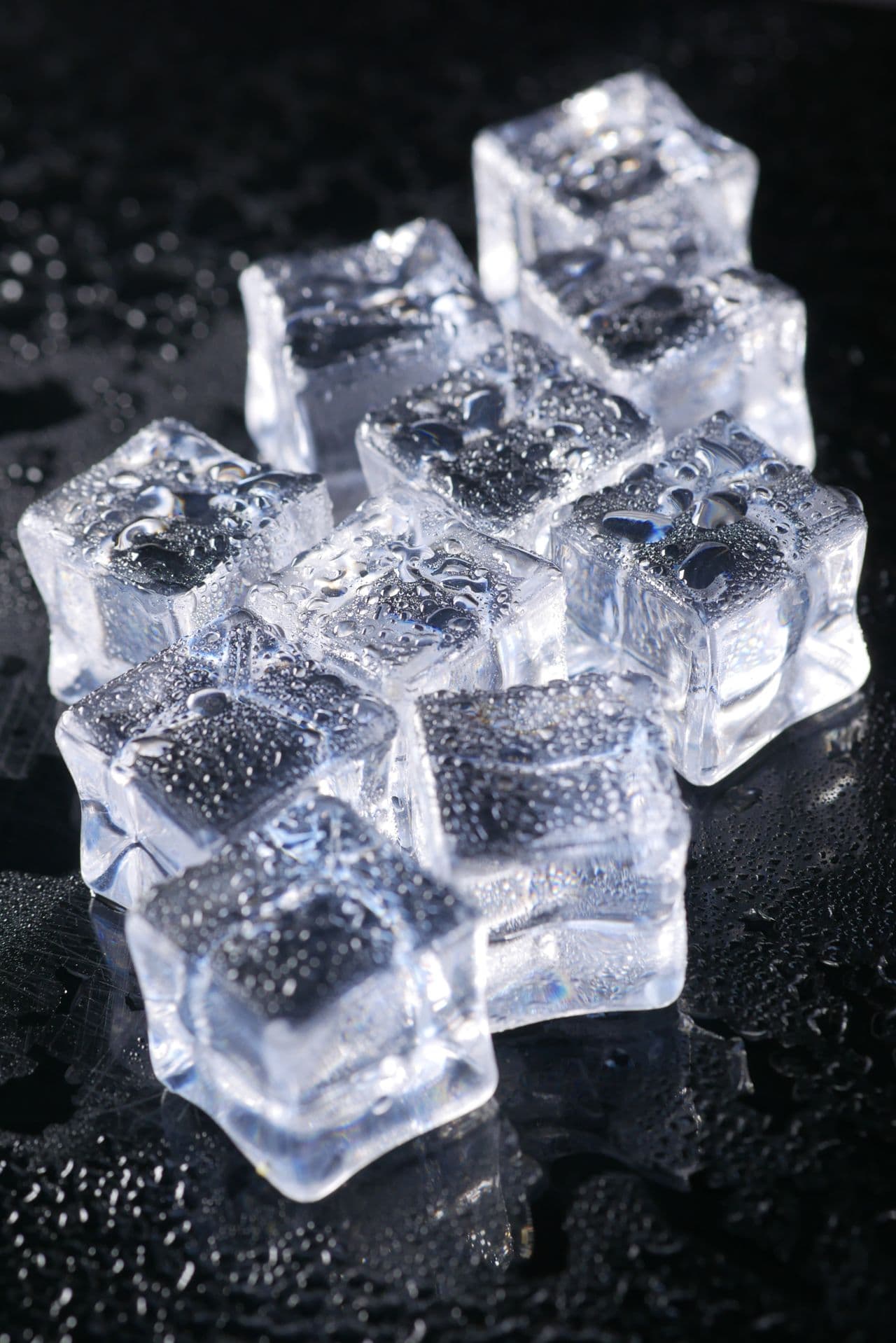
Editorial Overview
As an independent tech review publication, AI Pick & Report compares countertop ice makers using public manufacturer production claims (lbs/24h), ice-type labels, listed retail prices, and open owner reports — not seller scripts. During summer heat, vacation hosting, and school-break weeks when apartments and small kitchens need cold drinks without a built-in fridge dispenser, honest daily output under warm ambient air, bullet vs chewable nugget ice, water-tank vs continuous-fill logistics, noise at the counter, cleaning cadence, and three-year electricity plus descaling cost predict satisfaction more reliably than “restaurant ice at home” marketing.
Introduction: ice demand spikes when the heat does
On a heatwave afternoon public listings and manufacturer spec sheets in a compact galley kitchen, the freezer tray could not keep up — kids home for school break, iced coffee after outdoor hours, and guests expecting drinks that stay cold past the first sip. From the public spec sheet: fridge ice makers in mid-size apartments are often slow, noisy, and shared with frozen food volume; a dedicated countertop unit answers volume, but only if you match ice type and refill habit to how you actually entertain.
This buying guide answers one question: for a summer apartment or small kitchen without a plumbed ice line, which countertop ice maker earns its counter space over three years of electricity, vinegar or descaler, and optional filters? The reference models below span chewable nugget, portable bullet, budget compact, higher-output bullet, and self-cleaning / continuous-fill oriented designs:
- GE Profile Opal 2.0 Ultra — chewable nugget class with side tank and scale-inhibiting filter
- Frigidaire EFIC117 — portable bullet ice workhorse
- Igloo ICEB26 — compact budget bullet
- hOmeLabs Portable Countertop Ice Maker — higher-output bullet class for party load
- Silonn Countertop Ice Maker (self-cleaning) — self-clean oriented bullet value
Prices are mid-2026 public list figures in USD (about ₩616,028–₩163,268 depending on model). Confirm counter depth, rear airflow clearance, and return windows before you buy. Figures below use September 22, 2026 as the editorial snapshot date; live FX uses 1,372.
The summer / vacation load
Heat waves raise drink volume; vacation weeks and school-break schedules keep the kitchen occupied midday. A unit rated “26 lb/day” at lab ambient often slows when the counter sits next to a sunny window at 30 °C+. Treat published lbs/24h as a ceiling, not a guarantee for your hottest week.
The small-kitchen constraint
Counter depth, rear exhaust clearance (often 10–15 cm), and a water tank you can lift to the sink matter as much as ice type. Continuous-fill side tanks reduce refill trips; they also add footprint and another vessel to clean.
How these figures were sourced
Every number below came from manufacturer spec sheets, listed retail prices, and open reviews — the same sources you could pull up before checkout. No proprietary seller APIs, no private dealer feeds. We cross-check claimed lbs/day against owner reports that mention warm-kitchen slowdown, and we treat filter and descaler spend as part of ownership — not as optional footnotes.
| Signal | Why a summer renter feels it |
|---|---|
| Ice type | Nugget (chewable) vs bullet (harder, melts slower in some drinks) |
| Claimed lbs / 24h | Party and school-break volume vs solo iced coffee |
| Water system | Removable tank vs side tank / continuous-style refill |
| Noise | Counter hum during afternoon naps or WFH calls |
| Cleaning / descaling | Hard-water scale and off-taste after a few weeks |
| 3-year TCO | Electricity for summer months + descaler + filters if any |
The Summer Ice Index (SII) weights usable daily output under apartment heat, ice-type fit for drinks, refill convenience, counter noise, cleaning burden, and three-year running cost. It is not a feature checklist — a machine can claim 38 lb/day and still score poorly if it needs constant tank babysitting or filter spend you did not budget.
How we estimate three-year ownership cost
| Cost line | Method |
|---|---|
| Electricity | Nameplate band about 100–180 W while cycling; heavy summer use about 4–6 h active production/day × about 90 hot days × 3 summers at $0.15/kWh |
| Descaling supplies | Vinegar or OEM descaler every 2–4 weeks in hard-water areas — roughly $20–45 over three years |
| Filters (if any) | Scale-inhibiting or taste filters on premium nugget units — often tens of dollars per year; confirm OEM schedule |
| Warranty | Prefer 1-year+ limited coverage on compressor / ice mechanism; keep proof of purchase through the first heat season |
Cross-check note: published “first ice in 6–10 minutes” claims are useful for impatience, not for daily tonnage. Bin capacity (often 1.5–3 lb) is the real bottleneck between scoops — production rate fills the bin; storage does not equal daily output.
TOP 5 comparison table
Reference prices as listed on manufacturer and major US storefronts around September 22, 2026. Daily production figures are manufacturer claims at stated lab ambient — expect slower output in a hot kitchen. Est. 3-yr summer electricity assumes heavy seasonal use only (not 365-day continuous run).
| Rank | Model | List price (USD) | Ice type | Claimed lbs/24h | Water system | Self-clean | Est. 3-yr summer power | SII |
|---|---|---|---|---|---|---|---|---|
| 1 | GE Profile Opal 2.0 Ultra | about $449–$499 | Nugget / chewable | up to 38 | Side tank (about 0.75 gal) + filter | Advanced clean + scale filter | about $35–55 | 9.1 |
| 2 | Frigidaire EFIC117 | about $119–$149 | Bullet | up to about 26 | Removable tank | Cycle on many retail configs | about $25–40 | 8.7 |
| 3 | Igloo ICEB26 | about $89–$119 | Bullet | up to about 26 | Removable tank | Self-clean on ICEB26 line | about $25–40 | 8.4 |
| 4 | h Ome Labs Portable Ice Maker | about $110–$140 | Bullet | up to about 26 class | Removable tank | Manual / cycle varies by SKU | about $25–45 | 8.2 |
| 5 | Silonn self-cleaning countertop | about $90–$130 | Bullet | about 26 class | Removable tank | Dedicated self-clean cycle | about $25–40 | 8.0 |
1. GE Profile Opal 2.0 Ultra — chewable nugget class
Strengths: Soft, chewable nugget (“pellet”) ice that soft drinks and iced coffee absorb well; manufacturer claims first batch in about 10 minutes and up to 38 lb/day at favorable lab conditions (lower at hotter ambient per DOE notes); side tank extends runtime between refills; scale-inhibiting filter plus advanced cleaning reduce hard-water drama; Wi-Fi on many configs for status.
Weaknesses: Highest upfront cost in this set; heavier footprint (about 13.4 × 17.5 × 16.5 in class) and weight that fights a cramped galley; filter replacements add recurring cost; nugget ice melts faster in some outdoor cups than dense bullet ice; compressor noise is still present during production.
Editorial read: This is the model where ice type is the product. At about $449–$499 plus filter spend, three-year summer electricity in our heavy-use model lands near $35–55, while filters and descaling can add tens of dollars per year. Cross-checking manufacturer ambient derating (roughly 32 lb/day at hotter water/air) matters more than the headline 38 — vacation hosting still benefits, but a sunny counter will not match brochure days.
A limitation listed in official docs: Side-tank convenience fails if you never clean the extra vessel; scale filter marketing does not cancel a monthly descaling habit in hard-water apartments. Before the return window closes, run a full weekend of party-volume scoops and confirm bin melt-and-refreeze behavior matches how you serve drinks.
Analysis takeaway: Buy it if chewable ice is the reason you want a countertop unit and you will budget filters; skip it if you only need hard bullet ice for cooler bags at the lowest sticker price.
Verdict: Best nugget / chewable ice pick when counter space and budget stretch to premium.
2. Frigidaire EFIC117 — portable bullet workhorse
Strengths: Widely available bullet-ice portable with roughly 26 lb/day class claims and first ice often advertised under 10 minutes; removable tank suits renters who cannot plumb; compact enough for many apartment counters; mature retail presence makes parts and return logistics easier during heat-season stock crunches.
Weaknesses: Bullet ice is harder and less “drink shop” than nugget; tank refills interrupt when kids empty the bin mid-afternoon; plastic bin and exterior feel utilitarian; noise during harvest cycles can bother open-plan studios.
Editorial read: On a cost-effectiveness basis, the EFIC117-class Frigidaire remains the default summer portable. At about $119–$149 with no mandatory filter subscription, three-year ownership is mostly purchase + about $25–40 summer electricity + vinegar descaling. public listings and manufacturer spec sheets after cross-checking owner reports: production claims hold better when you keep the unit away from oven heat and give rear clearance.
A limitation listed in official docs: “Self-cleaning” labels vary by exact retail SKU — verify the cycle exists on the carton you buy. Also verify voltage and plug type if ordering internationally; this guide uses common US retail naming.
Analysis takeaway: Buy it if you want dependable bullet ice for everyday drinks without nugget pricing; skip it if soft chewable ice is non-negotiable.
Verdict: Best balanced portable bullet for apartment heat season.
3. Igloo ICEB26 — compact budget bullet
Strengths: Lowest entry price band here; ICEB26-class units commonly claim about 26 lb/day and include a self-cleaning cycle on current retail lines; small footprint for dorms and studio galleys; easy to store after summer if you do not want year-round counter clutter.
Weaknesses: Build and finish trail premium brands; ice shape and clarity vary with water quality; smaller perceived bin convenience on busy school-break afternoons; louder plastic resonance on some owner reports at max production.
Editorial read: For renters testing whether a countertop ice maker is worth the space, Igloo’s budget bullet line is the lowest-regret experiment. Three-year TCO stays near the sticker plus about $25–40 electricity and cheap descaler — no filter line item. Cross-check: buy it for volume of cubes, not for café-style nugget texture.
A limitation listed in official docs: Budget compressors show up in public reviews as early failure outliers more often than premium brands — keep packaging through the first heat wave and use the warranty. Confirm self-clean instructions; skipping them in hard water produces cloudy ice and scale odor.
Analysis takeaway: Buy it if budget and compact size dominate; skip it if you want quieter premium construction or chewable nugget ice.
Verdict: Best budget / compact starter for summer trial use.
4. hOmeLabs Portable Countertop Ice Maker — higher-output bullet class
Strengths: Competes in the same about 26 lb/day portable bullet tier with frequent retail promotions; multiple ice-size selections on many SKUs help mixed drink vs cooler use; straightforward controls; common “party weekend” pick when fridge ice cannot refill fast enough.
Weaknesses: Brand SKU sprawl means specs drift — confirm the exact model’s lbs/day and tank size on the listing; finish quality is mid-tier; not a nugget machine; continuous production still waits on tank water and bin melt cycles.
Editorial read: We place hOmeLabs here as the higher-output bullet crowd-pleaser when vacation guests spike demand: same ownership math as other portables (about $25–45 summer power over three years) with slightly more SKU flexibility on ice size. Analysis takeaway from cross-checking listings: treat “26 lb” as the class ceiling and prioritize bin access and scoop habit over a few claimed pounds of difference between bullet peers.
A limitation listed in official docs: Some listings bundle “self-cleaning” vaguely — read the manual PDF before assuming a one-button descale. If your municipal water is hard, schedule vinegar cycles regardless of marketing badges.
Analysis takeaway: Buy it if you want a widely stocked bullet maker with size options for hosting; skip it if you prefer a single well-documented OEM like Frigidaire for simpler support.
Verdict: Sensible party-load bullet when fridge ice cannot keep up.
5. Silonn Countertop Ice Maker (self-cleaning) — clean-cycle oriented bullet
Strengths: Positioned around an explicit self-cleaning cycle at a value price; bullet ice for everyday sodas and coolers; light enough to move between kitchen and patio table during vacation weeks; competitive about 26 lb/day class claims on common configurations.
Weaknesses: Less brand equity than Frigidaire/GE for long-term parts familiarity; ice quality still depends on water and cleaning discipline; continuous-fill plumbing is usually not included — “continuous” here means frequent tank top-ups plus clean cycles, not a fridge water line; noise similar to other compact bullets.
Editorial read: This slot exists because summer ownership fails on hygiene, not on first-batch speed. At about $90–$130, three-year TCO mirrors other budget bullets if you actually run the clean cycle. Editorial read after cross-checking owner complaints: the machines that taste “off” by August usually skipped descaling, not the wrong brand.
A limitation listed in official docs: Self-clean is not optional theater — mineral scale shortens compressor life. If you refuse monthly maintenance, do not expect any bullet maker in this price band to stay fresh. For true continuous water supply, look at plumbed undercounter commercial units outside this countertop set — or the Opal’s large side tank as the nearest consumer compromise.
Analysis takeaway: Buy it if you want a dedicated clean-cycle reminder at a low sticker; skip it if brand support longevity or nugget texture matters more.
Verdict: Best self-clean value bullet when maintenance habit is the weak link.
Scenario matrix
| Situation | Priority order | Why |
|---|---|---|
| Chewable ice for sodas / iced coffee | Opal 2.0 Ultra → (else skip bullet peers) | Ice type dominates satisfaction |
| Everyday apartment drinks, balanced price | Frigidaire EFIC117 → hOmeLabs → Igloo | Bullet reliability without nugget cost |
| Tight budget / dorm / trial summer | Igloo ICEB26 → Silonn → Frigidaire | Lowest entry, accept louder plastic |
| Vacation hosting / school-break volume | hOmeLabs → Frigidaire → Opal (if nugget) | Bin refill rhythm + claimed lbs/day |
| Hard water / hates scrubbing | Opal (filter + clean) → Silonn → Igloo | Clean cycles and scale control |
| Minimal counter depth | Igloo / Silonn → Frigidaire → avoid large side-tank setups | Footprint and tank lift matter |
| Lowest 3-year filter spend | Frigidaire / Igloo / Silonn / hOmeLabs | No mandatory scale filter line |
FAQ
How many pounds of ice per day do two adults and school-break kids actually need?
Most small households overestimate. A family making frequent cold drinks might scoop 5–12 lb across a hot day, not 26–38. The higher manufacturer numbers matter when guests arrive or when the bin sits open and ice melts back into the reservoir. Buy for peak hosting, then accept that solo weekday use will cycle less — which also lowers electricity.
Nugget vs bullet ice — which melts slower and which tastes better in sodas?
Nugget (chewable pellet) ice has more surface area, absorbs beverage flavor, and is what many drink shops serve; it often melts faster in warm outdoor cups. Bullet ice is denser and harder, better for coolers and some cocktails that need slow dilution. Neither is universally “better” — match texture to drinks you make most in summer.
Does a removable water tank use more electricity than continuous fill?
Electricity is driven by compressor duty cycle and ambient heat, not primarily by tank vs side tank. Continuous-style side tanks mainly reduce your refill labor. They can slightly change how often the unit restarts after water-low pauses. Plumbed continuous fill (rare on true countertop consumer units) is a different install class.
How loud are countertop ice makers during a WFH call?
Expect intermittent compressor and harvest noise — often compared to a compact fridge cycling — not silence. Nugget units like the Opal family advertise mid-40s dB in some materials; bullet portables vary and can sound sharper when dropping ice. Place the unit away from the desk mic and avoid running max production during calls.
What does three-year ownership really cost beyond the sticker price?
For bullet portables in this guide, summer-heavy electricity often lands roughly $25–45 over three hot seasons at $0.15/kWh under our assumptions, plus $20–45 in vinegar or descaler. Premium nugget units add filter replacements that can exceed the electricity line. Warranty claims only help if you kept proof of purchase and followed cleaning guidance.
Can I run a countertop ice maker all summer without descaling?
Not wisely in hard-water regions. Scale reduces efficiency, clouds ice, and shortens mechanism life. Even with self-clean cycles, follow the manual’s descaling interval — monthly is a common hard-water starting point. Distilled or filtered fill water reduces frequency but does not erase maintenance.
Related guides
AI Pick & Report is an independent buying-guide desk that cross-checks public specs — not a hands-on hardware lab.
- Pool, Picnic, Park: How IP Rating and Watts Pick Your Summer Bluetooth Speaker — Five portable Bluetooth speakers compared for summer outdoors—IP rating, battery, loudnes…
- Family Home Essentials: Five Scenarios for 3–5 Person Households From Fridge Capacity to Floor Care — Family picks for 3–5 person homes — fridge capacity, washer throughput, shared TV, room a…
- Sub-$300 Phones: Chipset Tier and Update Years Matter More Than Ads — Five sub-$300 smartphones compared by SoC, battery, display, 5G bands, and OS update poli…
- Solo Apartment Summer Essentials Checklist: Fan, Purifier, Fryer, Earbuds, and Robot Vacuum — Case-study checklist for one-person summer apartments — nine cross-category checks across…
- Under $300 Face-Off: Monitor vs Fan vs Power Bank vs Speaker vs Purifier — Cross-category head-to-head under $300 — which summer home-tech aisle buys the most daily…
Five checks before you buy
- Measure counter depth and rear clearance — Many units need several inches behind for exhaust; a flush wall placement throttles output and raises noise.
- Choose ice type on purpose — Nugget for chewable fountain-style drinks; bullet for coolers, harder cubes, and lower sticker prices.
- Map your refill habit — Removable tanks need sink access; side tanks cut trips but add another vessel to wash. If you will not refill midday, you do not need a 38 lb claim.
- Budget descaling and filters — Hard water turns “set and forget” into a monthly chore; premium filters are a real three-year cost line.
- Plan noise and melt — Open bins melt and recycle water; production noise hits open-plan studios. Test placement before the return window ends.
- Verify the exact SKU — Self-clean, Wi-Fi, and side tanks vary within brand families. Match the carton model number to the spec sheet you used for comparison.
Final Verdict
Who should buy
| Model | Buy if you… |
|---|---|
| GE Profile Opal 2.0 Ultra | Want chewable nugget ice, will use a side tank, and accept filter + premium price |
| Frigidaire EFIC117 | Need a proven portable bullet maker for everyday summer drinks |
| Igloo ICEB26 | Want the cheapest compact trial unit with a self-clean cycle |
| h Ome Labs portable | Host often and want bullet ice size options in the mid-budget tier |
| Silonn self-cleaning | Care most about an explicit clean cycle at a value price |
Who should skip
| Model | Skip if you… |
|---|---|
| Opal 2.0 Ultra | Only need hard bullet ice or refuse filter/descaling spend |
| Frigidaire EFIC117 | Require soft nugget texture for sodas |
| Igloo ICEB26 | Need premium quiet build and long brand-parts familiarity |
| h Ome Labs portable | Want a single unambiguous OEM SKU without listing sprawl |
| Silonn self-cleaning | Prefer Frigidaire/GE support channels over value-brand retail |
Judged by real purchase criteria, most summer apartments should pick a bullet portable in the Frigidaire / Igloo / hOmeLabs class unless chewable ice is the entire point — in which case the Opal 2.0 Ultra earns its counter space. Count electricity for hot months, descaling supplies, and any filters, not just lbs/day on the box, and confirm tank lifts and rear clearance fit your galley before heat-season return windows close.
Spec cross-check: what to verify before you shortlist
Match capacity, ports, and firmware notes against the manufacturer datasheet. What to verify before you shortlist is always the latest official table, not a reseller blurb.
Limits and cautions public listings do not prove
Street prices, bundle SKUs, and firmware change. Limits the official pages still own the decision.
Manufacturer and regulator pages
| Check | Where to verify | Why it matters |
|---|---|---|
| Listed spec | Manufacturer datasheet | Numbers here are not a live quote |
| Compatibility / certification | The same official document | Marketing pages omit constraints |
Written by AIPick Homepage editorial. Publisher: AIPick Homepage. Contact: /contact