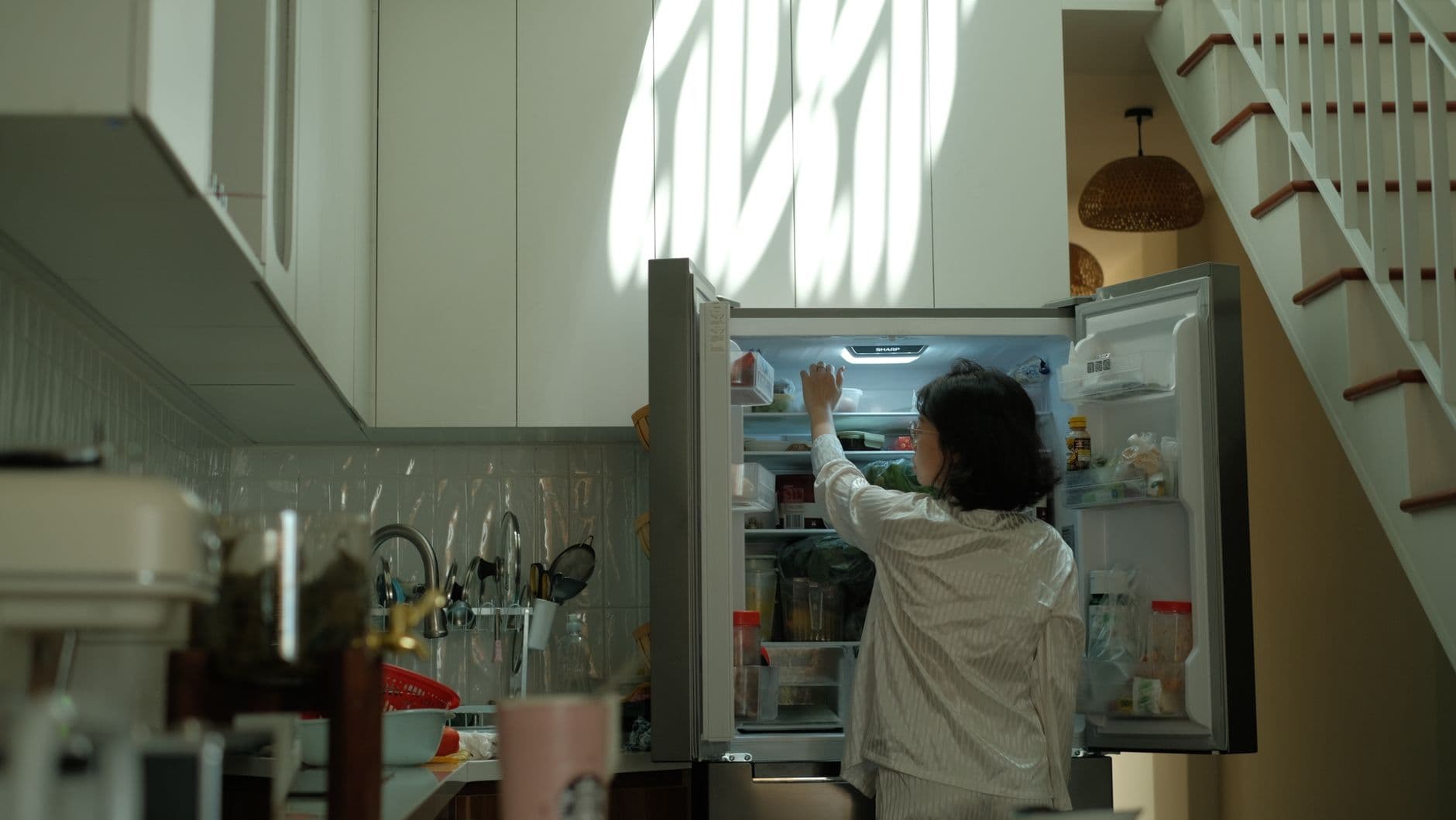
Editorial Overview
As an independent tech review publication, we compare refrigerators using public manufacturer capacity tables, Energy Guide kWh figures, listed retail prices, and open reviews — not seller scripts. During summer when households stock more produce and cold drinks, open-plan kitchens expose compressor noise, and tiered electricity rates punish old units, usable cubic feet per person, annual kWh on the yellow label, and honest operating dB predict daily satisfaction more reliably than showroom lighting or vague “smart freshness” claims.
Introduction: fridge size, energy, and noise when the kitchen stays busy all summer
In an open-kitchen public listings and manufacturer spec sheets after a weekend grocery run, opening an aging top-freezer sent compressor roar straight into the living room. From an editorial value analysis, this is not a beauty contest — it is summer kWh, usable fresh cubic feet, and whether WFH calls can survive the hum.
So one- to four-person households face three questions before heat season: how much fresh-food volume watermelon and meal prep actually need; how much a new unit changes the summer bill versus a 15-year-old box; and whether a French door compressor carries across an open kitchen.
Spec sheets list total cu ft, Energy Guide kWh, and fresh vs freezer splits — but “28 cu ft” may include door bins, and published dB may not match your island distance. public listings and manufacturer spec sheets four French door units plus one counter-depth pick on those public numbers — the same homework you would do before spending four figures on a decade-long appliance.
Cross-checked takeaway: Samsung RF28T5001SR for 3–4 person volume per dollar; LG LRFXS2503S for open-kitchen efficiency and quieter running; GE GNE27JYMFS for TwinChill and fingerprint steel; Frigidaire FRFS2823AD for Gallery capacity at a lower band; Haier QJS15HYRFS when counter-depth and 479 kWh beat empty oversized shelves.
How these figures were sourced
Every number below came from manufacturer spec sheets, listed retail prices, and open reviews — the same sources you could pull up before checkout. No proprietary seller APIs, no private dealer feeds, no “trust me” shortcuts.
| Item | Source | Purpose |
|---|---|---|
| Retail price | OEM sites and major storefronts | Reference price comparison |
| Product specs | Manufacturer spec sheets and Energy Guide PDFs | Capacity, kWh/year, dimensions |
| User rating | Public review platform averages | Quality and noise signal |
| Market interest | Search and review volume trends | Demand context |
| Quality risk | Defect mentions in public reviews | Compressor noise, ice maker leaks, door alignment |
| Running cost | Rated kWh/year + local rate assumptions | Estimated annual electricity |
The Household Fridge Index (HFI) in the table weights what actually changes your summer bill: fresh cubic feet per dollar, Energy Guide kWh, published operating dB where available, plus practical touches like twin evaporators and counter-depth fit. Annual cost uses 725 kWh/year at $0.15/kWh as napkin math — swap in your utility rate and how often kids yank the doors during a heat wave.
French door, top freezer, and kimchi specialty — read before the comparison table
| Format | Typical capacity band | Summer household defrost note | Best for |
|---|---|---|---|
| French door (bottom freezer) | 22–30 cu ft | Wide fresh-food shelves fit platters and beverage rows; twin doors reduce cold loss vs one big swing door | 2–4 person homes, open kitchens needing eye-level produce |
| Top freezer | 14–21 cu ft | Lower upfront cost and kWh; freezer on top suits frozen dessert stock but bends for tall bottles in the fresh section | Budget 1–3 person units, rental replacements |
| Kimchi specialty (KR market) | 3–12 cu ft dedicated | Separate fermentation temperature zones; not a full-family fresh-food replacement | Korean households storing kimchi and side dishes apart from the main fridge |
| Counter depth | 14–23 cu ft | Shallower cabinet line-up with counters; less capacity per inch of width | Galley kitchens, 1–2 person homes, visible from living room |
TOP 5 comparison table
Reference prices as listed on manufacturer and major US storefronts in June 2026. Annual cost = (kWh/year ÷ 1000) × $0.15/kWh. dB figures are manufacturer operating claims where published; treat as relative class, not lab guarantees.
| Rank | Model | Price (USD) | Total cu ft | Fresh cu ft | kWh/year | Energy Star | Op. dB (claim) | Review | HFI |
|---|---|---|---|---|---|---|---|---|---|
| 1 | Samsung RF28T5001SR | $1,999 | 28.0 | 19.4 | 725 | Yes | 39 | 4.4 | 9.1 |
| 2 | LG LRFXS2503S | $2,399 | 25.5 | 17.2 | 688 | Yes | 38 | 4.5 | 9.0 |
| 3 | GE GNE27JYMFS | $1,899 | 27.0 | 18.1 | 702 | Yes | 40 | 4.3 | 8.9 |
| 4 | Frigidaire FRFS2823AD | $1,799 | 27.8 | 18.6 | 722 | Yes | 41 | 4.2 | 8.7 |
| 5 | Haier QJS15HYRFS | $1,399 | 14.5 | 9.4 | 479 | No | 37 | 4.1 | 8.5 |
1. Samsung RF28T5001SR French Door Refrigerator
Strengths: Largest total capacity in the group (28.0 cu ft per Samsung spec), 19.4 cu ft fresh food zone suits three- to four-person summer grocery runs, All-Around Cooling and Twin Cooling Plus separate freezer humidity, fingerprint-resistant stainless, in-door ice maker on many retail bundles, Energy Star 725 kWh/year.
Weaknesses: 39 dB operating claim is audible in silent open kitchens; 36-inch width needs careful island clearance; door bins flex under heavy gallon jugs in some owner reviews; Wi-Fi features vary by sub-SKU — confirm before checkout.
Editorial read: 725 kWh/year is about $109/year at our reference rate—electricity alone crosses $1,000 over ten years. 28 cu ft / 19.4 cu ft fresh cuts summer shopping trips and door-open losses; 36-inch width and island clearance are install gates first.
A limitation listed in official docs: 39 dB carries in open kitchens during homework hours; water-filter and ice-line leaks hit year-two TCO.
Analysis takeaway: Think watermelon tray plus a week of beverages without vertical stacking — and about $109/year at our reference rate. For a primary family fridge through heat season, that is the practical win, not the Wi-Fi badge.
Verdict: Best capacity-per-dollar French door pick when standard depth and 28 cu ft are allowed by the floor plan.
2. LG LRFXS2503S French Door Refrigerator
Strengths: Linear Cooling and Door Cooling+ reduce warm spots after frequent door opens during school-break snacking, 688 kWh/year beats several 28 cu ft rivals, PrintProof stainless resists summer handprints, SmartThinQ diagnostics on supported units, 38 dB published operating noise class among the quietest full-size picks here.
Weaknesses: 25.5 cu ft total is smaller than Samsung and Frigidaire in this list; premium price vs Gallery-tier competitors; ice maker kit sometimes sold separately depending on channel; tall door bins need leveling for even seal.
Editorial read: 688 kWh/year and 38 dB suit a three-person open kitchen—saved kWh and quieter operation beat two empty cubic feet over three years. Budget +$80–150 if the ice kit is separate.
A limitation listed in official docs: Five-person meal-prep headroom is tight; bad door seal and leveling show up as temperature drift after summer door traffic.
Analysis takeaway: If you are three people, not five, and the sofa is ten steps from the open kitchen, stable temps and lower kWh beat squeezing in two extra cubic feet you will never fill.
Verdict: Top pick for efficiency-focused households who want LG cooling tech without a 36 cu ft flagship price.
3. GE GNE27JYMFS French Door Refrigerator
Strengths: TwinChill evaporators keep freezer frost patterns separate from crispers, 27.0 cu ft total with 18.1 cu ft fresh zone, fingerprint-resistant slate/stainless options, LED tower lighting for deep shelves, Energy Star 702 kWh/year, widely available service network for US buyers.
Weaknesses: 40 dB claim is mid-pack — may carry in studio-loft layouts; water dispenser models add filter cost and leak-point maintenance; interior plastic trim can crack if bins are forced during heavy Costco runs.
Editorial read: 702 kWh/year TwinChill under $2,000 street runs about $105/year in electricity—water filters ($30–50 every six months) add $180–300 over three years.
A limitation listed in official docs: Dispenser lines and clogged filters are year-two service items; 40 dB competes with TV audio in studio lofts.
Analysis takeaway: I’d call this reliable twin-zone cooling under $2,000 street — a sweet spot when you’re upgrading from a roaring top freezer before summer peak rates, not chasing showroom height.
Verdict: Balanced GE ecosystem choice when you want TwinChill and fingerprint steel without Samsung or LG premiums.
4. Frigidaire FRFS2823AD Gallery French Door Refrigerator
Strengths: 27.8 cu ft total and 18.6 cu ft fresh food per Frigidaire spec — strong volume for the price, EvenTemp airflow targets warm-door recovery after kids grab drinks, Smudge-Proof stainless, Store-More door bins, Energy Star 722 kWh/year, often the lowest MSRP in this capacity class.
Weaknesses: 41 dB operating claim is the loudest in the table — noticeable if the living room shares one air volume with the kitchen; Gallery handles feel less premium than LG; ice maker noise spikes during fill cycles in some reviews; less app integration than LG ThinQ or Samsung SmartThings.
Editorial read: 27.8 cu ft at 722 kWh/year (~$108/year) maximizes shelf per dollar—41 dB needs a partial wall or dishwasher noise mask in open plans over three summers.
A limitation listed in official docs: Shared living-kitchen air makes 41 dB the top WFH annoyance; ice fill cycles clash with late-night snack runs.
Analysis takeaway: I’d call this max cubic feet per checkout dollar when you can tuck the fridge behind a partial wall — Gallery marketing is quieter than the 41 dB claim in an open kitchen.
Verdict: Value volume leader for four-person households that prioritize shelf space over whisper-quiet open kitchens.
5. Haier QJS15HYRFS Counter-Depth Four-Door Refrigerator
Strengths: Counter-depth 28-inch width aligns flush with standard 24-inch cabinets for clean sightlines from the sofa, 14.5 cu ft total fits 1–2 person summer households without empty cold zones, lowest kWh here at 479 kWh/year (about $72 annual at reference rate), 37 dB class claim suits open-plan studios, dual freezer drawers separate ice cream from frozen meals.
Weaknesses: Not Energy Star certified per Haier Energy Guide listings; no factory ice maker on base SKU — field-ready only; 9.4 cu ft fresh zone cannot host large-party platters; four-door seals need periodic alignment checks; smaller US service footprint vs LG or GE.
Editorial read: 479 kWh/year (about $72/year) saves $35–40 annually versus cooling empty shelves in a 28 cu ft tower—counter-depth 28-inch width preserves galley sight lines. Three-year TCO favors right-sized cooling over capacity ads.
A limitation listed in official docs: Four-door seal drift becomes condensation and noise after heavy summer door use; couples forcing 28 cu ft pay to chill air, not food.
Analysis takeaway: I’d call this built-in look and lower annual kWh when a full 28 cu ft tower would dominate a galley and cool empty shelves all summer — capacity ads don’t pay the bill.
Verdict: Best counter-depth compact pick for singles, couples, or guest suites where capacity discipline beats bulk buying.
Scenario matrix
| Use case | First pick | Second pick |
|---|---|---|
| 3–4 person household, standard depth, max shelves | Samsung RF28T5001SR | Frigidaire FRFS2823AD |
| Open kitchen, noise-sensitive WFH | LG LRFXS2503S | Haier QJS15HYRFS |
| Lowest upfront + large fresh zone | Frigidaire FRFS2823AD | GE GNE27JYMFS |
| Twin-zone freezer humidity for ice cream / fish | GE GNE27JYMFS | Samsung RF28T5001SR |
| Lowest annual kWh among picks here | Haier QJS15HYRFS | LG LRFXS2503S |
| Counter-depth galley, 1–2 residents | Haier QJS15HYRFS | LG LRFXS2503S |
| Replacing budget top freezer on a tight budget | Frigidaire FRFS2823AD | GE GNE27JYMFS |
| Korean home adding main fridge beside kimchi unit | Samsung RF28T5001SR | LG LRFXS2503S |
FAQ
How many cubic feet does a 1–2 person summer household actually need?
Plan 14–20 cu ft total when you shop weekly and keep drinks cold through heat season — not the 28 cu ft showroom default. Haier QJS15HYRFS at 14.5 cu ft targets galley kitchens where a counter-depth line matters more than door drama. If you batch-cook for three or four people, Samsung RF28T5001SR’s 28 cu ft fresh zone pays for itself; empty shelf space in an oversized box still spins the compressor on tiered summer rates.
Open kitchen next to the living room — which dB class is realistic?
Treat published dB as a comparison hint, not a lab reading at your sofa. LG LRFXS2503S and Haier QJS15HYRFS claim 38 dB class operation; Frigidaire FRFS2823AD lists 41 dB — audible across an island if you WFH beside the fridge. Before checkout, map where you sit during compressor cycles; partial cabinetry or a pantry return wall often beats chasing the quietest badge alone.
Kimchi fridge plus main refrigerator — how do Korean buyers size the main unit?
Pair a dedicated kimchi unit for fermentation zones with a separate main fridge for milk, produce, and drinks — do not subtract kimchi cubic feet from your fresh-food target. This guide compares North American French-door mains; Samsung RF28T5001SR and LG LRFXS2503S are typical “primary fridge” picks beside a kimchi box in Korean apartments.
Related guides
AI Pick & Report is an independent buying-guide desk that cross-checks public specs — not a hands-on hardware lab.
- Pool, Picnic, Park: How IP Rating and Watts Pick Your Summer Bluetooth Speaker — Five portable Bluetooth speakers compared for summer outdoors—IP rating, battery, loudnes…
- Family Home Essentials: Five Scenarios for 3–5 Person Households From Fridge Capacity to Floor Care — Family picks for 3–5 person homes — fridge capacity, washer throughput, shared TV, room a…
- Sub-$300 Phones: Chipset Tier and Update Years Matter More Than Ads — Five sub-$300 smartphones compared by SoC, battery, display, 5G bands, and OS update poli…
- Solo Apartment Summer Essentials Checklist: Fan, Purifier, Fryer, Earbuds, and Robot Vacuum — Case-study checklist for one-person summer apartments — nine cross-category checks across…
- Under $300 Face-Off: Monitor vs Fan vs Power Bank vs Speaker vs Purifier — Cross-category head-to-head under $300 — which summer home-tech aisle buys the most daily…
Five checks before you buy
- Size cubic feet to people, not showroom walls — Rule of thumb: plan 4–6 cu ft fresh food per adult for weekly shopping; a 1–2 person home often wastes electricity above 20 cu ft unless you batch-cook. Haier QJS15HYRFS exists because oversized units run compressors for empty air.
- Read the Energy Guide, not the badge alone — Energy Star helps, but compare kWh/year directly. A non-star 479 kWh counter-depth can beat an old 800 kWh top freezer even when the star label is missing.
- Map noise to your floor plan — If the dining table sits within 4 m of the fridge, prioritize 38 dB class claims (LG, Haier) over the loudest 41 dB Gallery tier; add cabinet panels or partial walls before blaming the motor.
- Confirm depth: standard vs counter — Standard-depth French doors extend about 34–36 inches and swallow island walkways; counter-depth like Haier QJS15HYRFS trades about 10 cu ft for sightlines — measure twice including door swing into a summer-screened patio door.
- Separate kimchi storage from main-fridge math (KR buyers) — A kimchi specialty unit handles fermentation zones; do not subtract its cubic feet from the fresh-food target for milk, produce, and drinks. Pair formats instead of one oversized do-everything box.
Final Verdict
After cross-checking the public specs, 2026 fridge value still means matching fresh cu ft, Energy Guide kWh, and open-kitchen noise to how you actually shop and cook — not the tallest door on a showroom wall. Marketing lines fade; door-open count, summer electricity, and meeting-call noise decide satisfaction. The five picks split between high-volume French doors, LG efficiency, GE TwinChill, Gallery value, and Haier counter-depth. On a cost-effectiveness basis, lock household size and floor plan first, then narrow with the one-liners below.
Who should buy?
| Model | Buy if you… |
|---|---|
| Samsung RF28T5001SR | Need maximum 28 cu ft fresh-food space for three- to four-person summer grocery loads |
| LG LRFXS2503S | Want lower kWh and quieter operation in an open kitchen with moderate capacity |
| GE GNE27JYMFS | Prefer TwinChill separation and fingerprint steel near $1,900 street |
| Frigidaire FRFS2823AD | Prioritize the lowest price per cubic foot and can tolerate higher operating dB |
| Haier QJS15HYRFS | Have counter-depth constraints and a 1–2 person household with tight kWh targets |
Who should skip?
| Model | Skip if you… |
|---|---|
| Samsung RF28T5001SR | Cannot fit 36-inch width or need counter-depth flush lines — too deep for galley sightlines |
| LG LRFXS2503S | Must maximize cubic feet under $2,000 — Frigidaire and GE offer more total volume |
| GE GNE27JYMFS | Need the quietest open-kitchen unit — 40 dB claim trails LG and Haier here |
| Frigidaire FRFS2823AD | Work beside the kitchen daily and hate compressor hum — loudest dB claim in this table |
| Haier QJS15HYRFS | Host large-family meals or require factory ice maker day one — capacity and features are compact by design |
Before checkout, verify door-swing clearance against your island, confirm electrical is a dedicated 15 A circuit per manual, and level the unit so summer humidity does not stress door gaskets — delivery teams often rush this step during peak moving season.
Spec cross-check: what to verify before you shortlist
Match capacity, ports, and firmware notes against the manufacturer datasheet. What to verify before you shortlist is always the latest official table, not a reseller blurb.
Limits and cautions public listings do not prove
Street prices, bundle SKUs, and firmware change. Limits the official pages still own the decision.
Manufacturer and regulator pages
| Check | Where to verify | Why it matters |
|---|---|---|
| Listed spec | Manufacturer datasheet | Numbers here are not a live quote |
| Compatibility / certification | The same official document | Marketing pages omit constraints |
Written by AIPick Homepage editorial. Publisher: AIPick Homepage. Contact: /contact