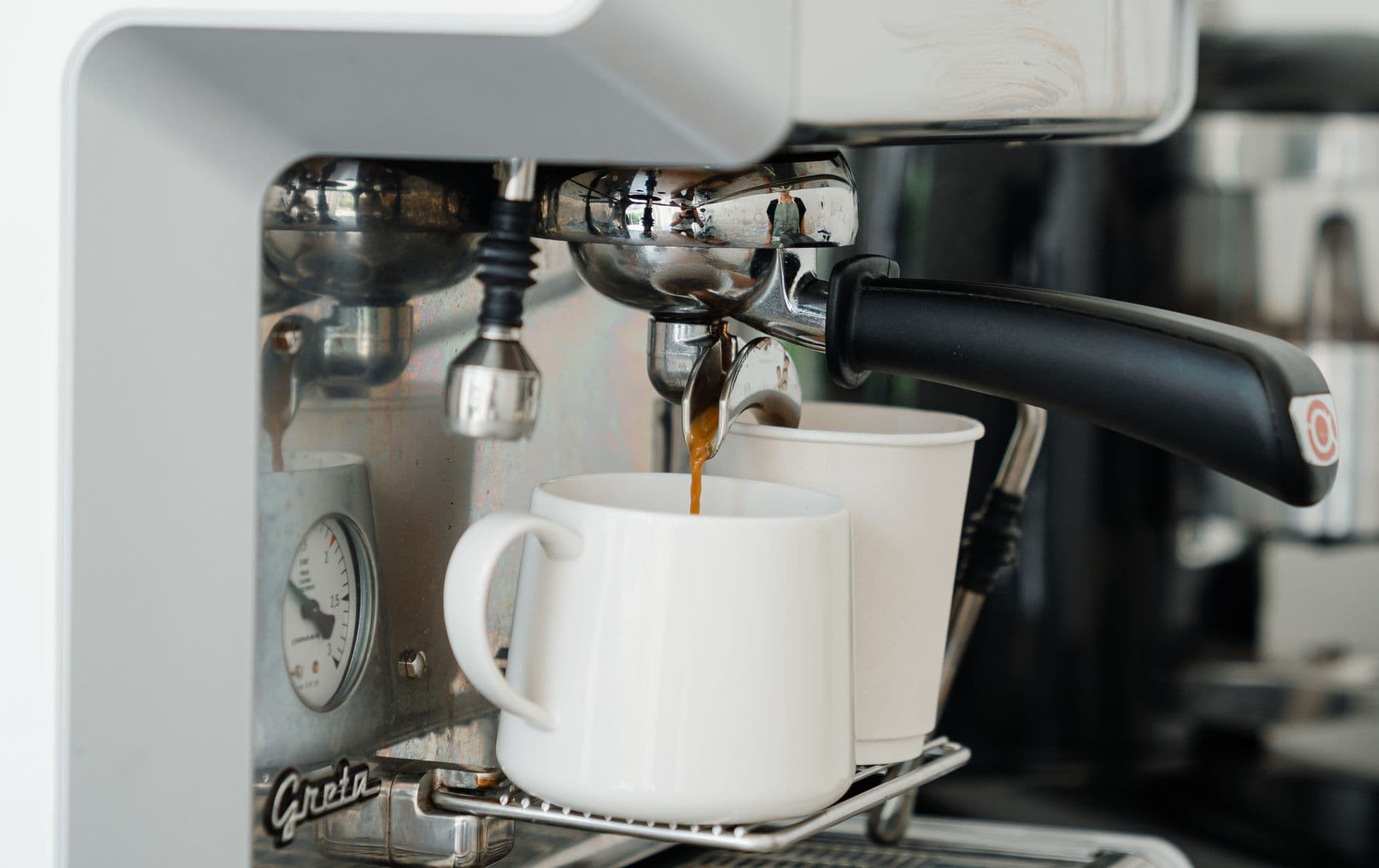
Claims that keep showing up in this category
Walk into any kitchen aisle or scroll through a coffee forum and you will meet the same confident lines. "Capsule machines make weak coffee." "Fully automatic espresso machines are just for offices." "You have to descale every month or the machine dies." Some of these are half true, some are outdated, and a few are simply marketing dressed up as wisdom. Before you spend money on a machine that will sit on the counter for the next five years, it helps to know which claims survive a look at public specs and which fall apart.
One claim that keeps appearing is that capsule machines are the cheapest way to get good coffee. The machine price is low, sure, but the per-cup cost is not. Another is that semi-automatic machines are too complicated for anyone who just wants a morning latte. That might have been true a decade ago, but modern semi-autos with built-in grinders and programmable shot times have closed much of the gap. And the idea that fully automatic machines are only for offices ignores how many compact models now fit under a standard kitchen cabinet.
We are not going to settle every debate here, but we will look at what manufacturer specs and open user reviews actually tell us. This guide covers capsule, semi-auto, and fully automatic machines, with a close look at milk systems and descaling, because those two features often decide whether a machine feels like a joy or a chore six months in.
What public specs actually settle
Public spec sheets settle more than you might expect. They tell you pump pressure, boiler type, wattage, water tank capacity, and whether a machine has a removable brew group. They do not tell you how a machine tastes, but they do tell you which machines are capable of producing the temperature and pressure that espresso needs.
Pump pressure is the most quoted number. Most espresso machines advertise 15 or 19 bars, but espresso extraction happens around 9 bars. That extra pressure is not a lie, it is headroom for the pump, but it does not automatically mean better coffee. What matters more is temperature stability, which comes from the boiler or thermoblock. A single boiler that jumps between brewing and steaming will produce less consistent shots than a dual boiler or a well-designed thermoblock system.
Milk systems are another spec that separates machines. A steam wand gives you control but requires technique. An automatic milk frother, whether it is a carafe or a wand that draws milk from a container, delivers consistent microfoam with one button. The spec to check is the milk container capacity and whether the system is removable for cleaning. A machine with a fixed milk line that cannot be cleaned properly will develop a sour smell faster than you expect.
Descaling is the maintenance spec that most buyers ignore. Machines with a boiler and a heating element will accumulate scale over time, especially in hard-water areas. Some machines have a descaling indicator, some use a filter to reduce scale, and a few have a self-cleaning cycle. The public spec that matters is whether the descaling process is automated or requires you to run a manual cycle. That difference changes the monthly maintenance routine significantly.
Models this report shortlists
After cross-checking manufacturer specs, listed retail prices, and open user reviews, three models stand out for 2026. They are not the only good machines, but they represent the three main types and show how the trade-offs play out in real kitchens.
Nespresso Vertuo Pop is our capsule pick. It uses the Vertuo system, which reads a barcode on each pod and adjusts pressure, temperature, and spin speed to produce everything from espresso to a 414 ml carafe. The machine heats up in about 25 seconds and has a 600 ml water tank. It does not have a steam wand, but the separate Aeroccino milk frother can be added. The Vertuo Pop is compact, at about 12 cm wide, and the listed retail price is around $99. For a capsule machine, the per-cup cost is higher than ground coffee, but the convenience is unmatched. The downside is that you are locked into Nespresso pods, and the machine will not work with third-party capsules.
Breville (Sage) Barista Express is our semi-auto pick. It has a built-in conical burr grinder, a 15-bar pump, and a stainless steel boiler. The grinder has 16 settings, and the machine includes a steam wand for manual milk texturing. The water tank holds 2 liters, and the machine has a pressure gauge that helps you dial in the shot. The listed retail price is around $750, which is a significant investment, but it replaces both a grinder and an espresso machine. The learning curve is real: you need to adjust grind size and dose to get consistent shots. The steam wand gives you control, but it takes practice to produce latte art quality microfoam. The Barista Express is a machine for someone who enjoys the ritual of making coffee, not for someone who wants to press a button and walk away.
De'Longhi Magnifica Evo is our fully automatic pick. It is a bean-to-cup machine with a built-in grinder, a one-touch system for espresso, coffee, and cappuccino, and an automatic milk carafe. The machine has a 1.8 liter water tank and a removable brew group that you can rinse under the tap. The milk carafe stores in the fridge and connects to the machine with a single tube. The listed retail price is around $700. The Magnifica Evo produces consistent espresso with minimal effort, and the milk carafe delivers decent microfoam without any barista skills. The main downside is that the automatic milk system requires regular cleaning, and the machine is larger than a capsule or semi-auto. If you want a cappuccino every morning without thinking, this is the type of machine that delivers.
Scenario matrix
The table below matches typical kitchen scenarios with the machine type that fits best. It is not a ranking, it is a way to see which trade-offs matter for your routine.
| Scenario | Capsule (Vertuo Pop) | Semi-Auto (Barista Express) | Fully Auto (Magnifica Evo) |
|---|---|---|---|
| Morning rush, one cup, no cleanup | Best: pod in, button, 25 seconds | Not ideal: grind, tamp, brew, steam, clean | Good: one button, but milk carafe needs fridge storage |
| Weekend latte art hobby | Poor: no steam wand | Best: full control over texture | Good: automatic microfoam, but less control |
| Household with 3+ coffee drinkers | Costly: per-cup price adds up | Good: cheap per cup, but slow for multiple drinks | Best: makes multiple drinks quickly, large water tank |
| Small counter, 30 cm depth | Best: compact footprint | Medium: needs space for grinder and portafilter | Large: check depth, needs clearance for milk carafe |
| Hard water area, low maintenance | Good: pod system reduces scale, but still descale | Needs regular descaling, manual process | Has descaling cycle, but milk line needs cleaning |
Editorial read: The scenario matrix shows that no single type wins. Capsule machines win on convenience and footprint, but lose on per-cup cost and customization. Semi-autos win on control and cost per cup, but demand skill and time. Fully automatics win on consistency and ease, but cost more upfront and need more counter space.
- Capacity and power — match real use and the outlet/circuit you actually have.
- Upkeep cost — price filters, descaling, and parts over three years.
- Install and service — check footprint, plumbing, and a reachable service center before you buy.
FAQ
Do capsule machines make weaker coffee than espresso machines?
Not necessarily. The strength of the coffee depends on the amount of ground coffee in the pod and the brew ratio, not the machine type. Nespresso Vertuo pods contain more coffee than original line pods, and the machine adjusts the brew parameters to produce a crema-rich cup. That said, capsule coffee is pre-ground and roasted to a specific profile, so you cannot adjust the grind or dose. If you prefer a very strong, custom shot, a semi-auto with fresh beans will give you more control. But for a standard cup, a capsule machine can be just as strong as a semi-auto.
How often do I really need to descale my coffee machine?
It depends on the hardness of your water and how often you use the machine. If you use filtered water, you may only need to descale every three to six months. If you use hard tap water and brew daily, you may need to descale monthly. Most machines have an indicator light that tells you when it is time. Ignoring descaling can lead to scale buildup that affects temperature and flow, and in severe cases, it can clog the boiler. The cost of descaling solution is small compared to the cost of a repair.
Is a fully automatic machine worth the extra cost compared to a semi-auto?
The answer depends on how much you value convenience. A fully automatic machine like the De'Longhi Magnifica Evo costs around $700, similar to a semi-auto with a grinder like the Barista Express. The fully auto grinds, tamps, and brews with one button, and it steams milk automatically. The semi-auto requires you to grind, dose, tamp, and manually steam. If you enjoy the ritual and want to dial in every variable, the semi-auto is worth it. If you just want a consistent cappuccino before work, the fully auto is the better value for your time.
Can I use any milk in an automatic milk frother?
Most automatic milk frothers work with dairy milk and plant-based alternatives, but the results vary. Oat milk and almond milk froth well in many machines, but they can separate or produce thin foam in others. The spec to check is whether the machine has a separate setting for plant-based milk. Some machines, like the De'Longhi Magnifica Evo, have a dedicated milk program that adjusts the temperature and aeration. If you only drink plant-based milk, read reviews to see how that particular machine handles it.
What is the total cost of ownership over three years?
For a capsule machine, the upfront cost is low, around $100, but pods cost about $0.70 to $1.00 each. If you drink one cup a day, that is about $255 to $365 per year, or $765 to $1,095 over three years. For a semi-auto, the machine costs $750, and beans cost about $15 per pound, which makes roughly 30 cups, so about $0.50 per cup, or $182 per year, $546 over three years. For a fully auto, the machine costs $700, and beans cost the same, so about $546 over three years. Add in descaling solution and replacement filters, and the semi-auto and fully auto are cheaper over three years, even though the upfront cost is higher.
Who should buy
Buy this if your real-world use matches the scenarios in this report.
Final Verdict
Analysis takeaway: The best coffee machine for you is the one that matches your routine, not the one with the most impressive spec sheet. If you want a one-button cup with zero cleanup and you do not mind the per-cup cost, a capsule machine like the Nespresso Vertuo Pop is a great choice. If you enjoy the craft and want to control every variable, the Breville Barista Express offers the most flexibility and the lowest per-cup cost over time. If you want consistent espresso and milk drinks without any barista skills, the De'Longhi Magnifica Evo is the most convenient all-in-one.
A limitation listed in official docs: The biggest hidden cost for semi-auto and fully auto machines is maintenance. Descaling and cleaning the milk system take time, and if you skip them, you will notice a decline in taste and possibly a repair bill. Capsule machines are easier to maintain, but they create more plastic waste and lock you into a single pod system.
Who should skip: If you live in a very small kitchen with no counter space, a fully automatic machine with a milk carafe may be too large. If you are on a tight budget and want the lowest total cost, a semi-auto with a separate grinder is cheaper than a fully auto, but it requires more skill. If you only drink black coffee and never make milk drinks, you can skip the milk system entirely and save money on a simpler machine.
Three-year cost note: Over three years, a capsule machine will cost you about $1,000 including the machine and pods. A semi-auto or fully auto will cost about $1,300 to $1,500 including the machine and beans, but they produce a higher volume of coffee per dollar. The choice is not just about the sticker price; it is about how much you value convenience versus control.
Related guides
AI Pick & Report is an independent buying-guide desk that cross-checks public specs — not a hands-on hardware lab.
- Under $300 Face-Off: Monitor vs Fan vs Power Bank vs Speaker vs Purifier — Cross-category head-to-head under $300 — which summer home-tech aisle buys the most daily…
- Family Home Essentials: Five Scenarios for 3–5 Person Households From Fridge Capacity to Floor Care — Family picks for 3–5 person homes — fridge capacity, washer throughput, shared TV, room a…
- Pool, Picnic, Park: How IP Rating and Watts Pick Your Summer Bluetooth Speaker — Five portable Bluetooth speakers compared for summer outdoors—IP rating, battery, loudnes…
- Heatwave Blackout Home Readiness Checklist for Apartments and Families — A practical apartment checklist for outage alerts, safe cooling, backup power, food, wate…
- Sub-$300 Phones: Chipset Tier and Update Years Matter More Than Ads — Five sub-$300 smartphones compared by SoC, battery, display, 5G bands, and OS update poli…
Spec cross-check: what to verify before you shortlist
Match capacity, ports, and firmware notes against the manufacturer datasheet. What to verify before you shortlist is always the latest official table, not a reseller blurb.
Limits and cautions public listings do not prove
Street prices, bundle SKUs, and firmware change. Limits the official pages still own the decision.
Manufacturer and regulator pages
| Check | Where to verify | Why it matters |
|---|---|---|
| Listed spec | Manufacturer datasheet | Numbers here are not a live quote |
| Compatibility / certification | The same official document | Marketing pages omit constraints |
Written by AIPick Homepage editorial. Publisher: AIPick Homepage. Contact: /contact