Editorial Overview
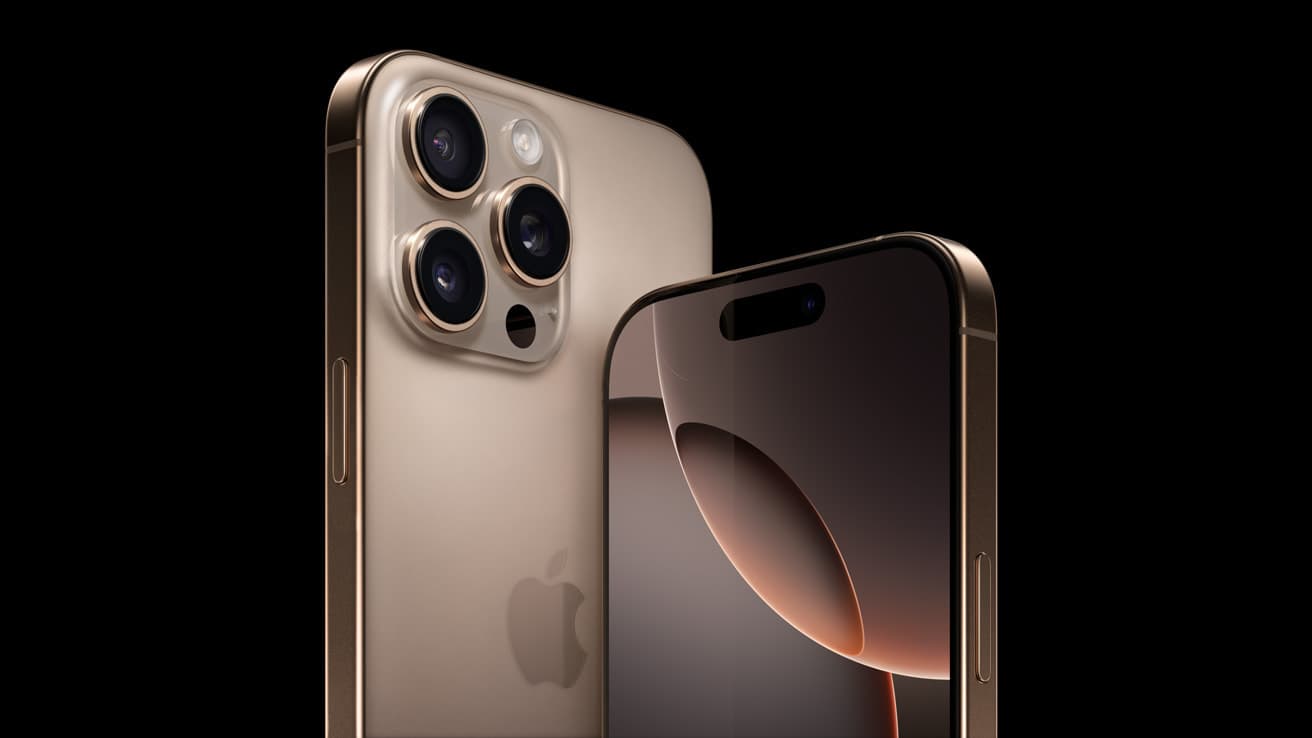
A flagship phone used to mean a one-year lease on the best hardware a brand could ship. In mid-2026 the math has changed again: phones hold performance longer, camera upgrades stay incremental, and a $1,000+ device can still last four years if you pick the right strengths. This guide compares three current-generation flagships buyers are actually cross-shopping right now: the Samsung Galaxy S26 Ultra (launched March 2026), the Apple iPhone 17 Pro (September 2025), and the Google Pixel 10 Pro (August 2025).
We treat last year’s Galaxy S25 Ultra / iPhone 16 Pro / Pixel 9 Pro as discount alternatives — not as “current” flagships. Calling those previous-gen phones the 2026 shortlist would misrepresent the market.
This is an editorial deep-dive, not a spec dump. We cross-checked public manufacturer specs, listed retail prices, and open review patterns. No sponsored placements, no private seller data, and no “best phone ever” claims. At the time of writing (October 3, 2026), these three models are the clearest premium buying decisions.
Introduction
Most people do not need to upgrade every year. If you already own a recent Ultra or Pro from the last two cycles, a battery replacement may beat a new $1,200 purchase. But if you are coming from a four-year-old device, a broken screen, or a midrange phone that struggles with camera and multitasking, this comparison helps you avoid paying for zoom lenses and silicon you will never notice.
We focus on chipset longevity, camera stack flexibility, and mixed-load battery endurance — plus a total cost of ownership note, because chargers, cases, and three years of wear matter as much as the list price.
How these figures were sourced
This comparison is editorial research cross-checking public manufacturer specs, listed retail prices, and open reviews. We do not use proprietary seller APIs or private seller databases.
| Item | Source | Purpose |
|---|---|---|
| Retail price | OEM sites and major storefronts | Reference price comparison |
| Product specs | Manufacturer spec sheets | Quantitative comparison |
| User rating | Public review platform averages | Quality signal |
| Market interest | Search and review volume trends | Demand context |
| Quality risk | Defect mentions in public reviews | Relative risk signal |
Models this report shortlists
- Recommended pick: Samsung Galaxy S26 Ultra — the most complete Android toolkit for buyers who want a large display, an S Pen, dual optical telephoto, and the newest Snapdragon silicon.
- Strong alternative: Apple iPhone 17 Pro — the most consistent iOS video and continuity experience, with a full 48MP triple Fusion stack and A19 Pro performance.
- Strong alternative: Google Pixel 10 Pro — the cleanest Android software and the most reliable computational photography, especially night and portrait work.
We also keep Galaxy S25 Ultra and iPhone 16 Pro in the table as previous-gen value lanes when carrier or open-box discounts close the gap.
TOP 5 comparison table
| Model | Chipset | Main camera | Battery | US list price | Best for |
|---|---|---|---|---|---|
| Samsung Galaxy S26 Ultra | Snapdragon 8 Elite Gen 5 | 200MP main + 50MP ultrawide + 10MP 3x + 50MP 5x | 5,000 mAh | $1,299 | All-round Android power users |
| Apple i Phone 17 Pro | A19 Pro | 48MP Fusion main + 48MP ultrawide + 48MP 4x tetraprism | about 3,998 mAh | $1,099 | iOS video and ecosystem |
| Google Pixel 10 Pro | Tensor G5 | 50MP main + 48MP ultrawide + 48MP 5x telephoto | 4,870 mAh | $999 | Computational photography and clean Android |
| Samsung Galaxy S25 Ultra | Snapdragon 8 Elite for Galaxy | 200MP main + 50MP ultrawide + 10MP 3x + 50MP 5x | 5,000 mAh | often discounted | Previous Ultra on a deal |
| Apple i Phone 16 Pro | A18 Pro | 48MP Fusion main + 48MP ultrawide + 12MP 5x | about 3,582 mAh | often discounted | iOS buyers chasing price |
Prices are list references and shift with carrier promos and trade-in. Treat them as a baseline for value, not a locked quote. Battery figures for iPhone vary slightly by Nano-SIM vs eSIM-only SKUs.
1. Samsung Galaxy S26 Ultra
Strengths:
- Most complete camera system in this group: 200MP main, dual telephoto (3x and 5x), and a 50MP ultrawide that stays competitive in low light.
- S Pen still unique among mainstream flagships for notes, signing, and precise edits.
- 5,000 mAh cell with Snapdragon 8 Elite Gen 5 typically covers a full heavy day; wired charging rises to 60W on this generation (charger sold separately).
Weaknesses:
- Physically large and heavier than the iPhone 17 Pro and Pixel 10 Pro; one-handed use is unrealistic for most people.
- One UI still ships with duplicate apps and some carrier clutter.
- Street prices can sit below list after promotions, but the Ultra remains the most expensive entry in this trio when bought new at MSRP.
Analysis takeaway: Choose the Galaxy S26 Ultra if you want one device that replaces a small travel camera kit, covers distant subjects without guesswork, and keeps the S Pen. It is overkill if you mostly shoot wide indoors and never use a stylus.
Editorial read: The jump from S25 Ultra is incremental on sensors but meaningful on silicon, charging, and software longevity (Android 16 with a multi-year OS promise). Treat S25 Ultra as a discount twin when the deal is strong — not as the 2026 headline Ultra.
A limitation listed in official docs: Public reviews still note that full 200MP mode is memory-hungry and can slow bursts. For action, leave the main camera in a binned 50MP / 12MP mode.
2. Apple iPhone 17 Pro
Strengths:
- A19 Pro delivers class-leading sustained performance and the most polished gaming / ProRes video path.
- Full 48MP Fusion main, ultrawide, and 4x tetraprism telephoto — optical-quality 8x is available without jumping to Pro Max.
- Compact 6.3-inch body remains the easiest one-hand Pro in this set, with MagSafe and continuity still unmatched for Apple households.
Weaknesses:
- Battery (about 3,998 mAh on Nano-SIM units) is still the smallest cell; heavy camera and 5G days can push you to MagSafe earlier than Pixel or Galaxy.
- No fingerprint sensor; Face ID is excellent upright but awkward on a desk or car mount.
- List price starts higher than Pixel; charger still sold separately.
Analysis takeaway: Best upgrade if you already live in iMessage, AirPods, Apple Watch, and Mac continuity. Video remains the most production-ready phone experience. If two-day endurance is non-negotiable, look at Pixel or the Ultra instead.
Editorial read: Moving the 48MP tetraprism onto the smaller Pro (not only Max) removes the old “buy Max for zoom” tax. Battery efficiency is excellent for the cell size, but capacity still trails Android rivals on long outdoor days.
A limitation listed in official docs: Telephoto apertures remain slower than the main lens — indoor sports and dim stages still favor the main camera or a lighted environment.
3. Google Pixel 10 Pro
Strengths:
- Tensor G5 plus Google’s computational pipeline still produces the most consistent point-and-shoot stills, especially Night Sight and skin tones.
- Clean Android with a long OS / security commitment — still the software longevity story in this trio.
- 4,870 mAh battery regularly outlasts the iPhone in mixed-use reports despite softer synthetic benchmarks.
Weaknesses:
- Raw GPU / export performance trails A19 Pro and Snapdragon 8 Elite Gen 5 for sustained gaming and heavy 4K edits.
- No dual-telephoto Ultra stack; 5x optical is strong, but far crops lean on computational zoom.
- Peak wired charging is still slower than Samsung’s 60W Ultra path even if day-to-day endurance is excellent.
Analysis takeaway: Best for photographers who want great stills without fiddling, and for Android users who want bloat-free software. Not the first pick for competitive mobile gaming or daily 4K timelines on-device.
Editorial read: Google keeps winning on photo consistency rather than benchmark charts. For buyers who just want a reliable shutter and seven years of updates, Pixel remains the easiest recommendation — and the only one here that often starts under $1,000.
A limitation listed in official docs: Hotspot, navigation, and 5G streaming days still drain faster than idle specs imply. Travelers should budget a slim power bank.
Scenario matrix
| Scenario | Best choice | Why |
|---|---|---|
| Travel photography with zoom | Galaxy S26 Ultra | Dual 3x / 5x telephoto + 200MP crop flexibility |
| Indoor video and vlogging | iPhone 17 Pro | Best stabilization, color, and external mic / ProRes path |
| Night photos without editing | Pixel 10 Pro | Night Sight and Real Tone still lead casual low light |
| Long software support | Pixel 10 Pro | Longest clear multi-year OS / security promise |
| Heavy gaming and multitasking | Galaxy S26 Ultra | Newest Snapdragon Elite Gen 5 + large vapor chamber |
| Ecosystem lock-in | iPhone 17 Pro | AirPods, Watch, Mac continuity |
| Compact one-hand use | iPhone 17 Pro | Smallest Pro body without giving up a 4x Fusion tele |
| Battery endurance under mixed use | Pixel 10 Pro | 4,870 mAh + adaptive display often outlasts the iPhone |
Total cost of ownership note
A three-year flagship purchase is rarely just the phone. With the Galaxy S26 Ultra near ₩1,751,052 list, add a 60W-class charger ($30–$50), a sturdy case ($20–$60), and optional S Pen tips. The iPhone 17 Pro near ₩1,481,452 still needs a USB-C / MagSafe charger and usually a MagSafe case. The Pixel 10 Pro near ₩1,346,652 is cheapest to outfit, but travel days may still push you toward a power bank. Over three years, including one battery service if needed, the realistic spread between the cheapest and most expensive setup is about $400–$600 — enough to matter on a strict budget. Previous-gen S25 Ultra / iPhone 16 Pro deals can shrink that gap further if you do not need the newest silicon.
FAQ
Do I really need a flagship phone, or is a midrange enough?
For most people, a recent midrange with a solid main camera and a 5,000 mAh-class battery handles daily tasks. Flagships matter if you shoot a lot of video, need optical zoom for travel or family events, play demanding games, or plan to keep the phone four-plus years. If none of those apply, a current Galaxy A, Pixel A, or last-gen Pro on discount will feel nearly as fast.
What is the biggest battery difference among the Galaxy S26 Ultra, iPhone 17 Pro, and Pixel 10 Pro?
The Galaxy S26 Ultra’s 5,000 mAh cell plus 60W wired charging is the safest full-day heavy-use combo. The Pixel 10 Pro’s 4,870 mAh pack often matches or beats the iPhone in mixed use thanks to adaptive refresh. The iPhone 17 Pro’s about 3,998 mAh cell is the smallest; A19 efficiency is excellent, but long camera / 5G days still send many owners to MagSafe by evening.
Which phone has the best camera for night photos without editing?
The Google Pixel 10 Pro remains the most reliable tap-and-share night phone. Night Sight and Real Tone keep indoor faces natural without the heavy HDR look some rivals add. The iPhone 17 Pro is closer for night video, and the Galaxy S26 Ultra can pull more detail with its 200MP main sensor, but Pixel still leads when you refuse to edit.
Should I buy now or wait for the next release?
If your current phone is broken or outside a good trade-in window, buy the current generation now — S26 Ultra, iPhone 17 Pro, or Pixel 10 Pro. Waiting only helps if you can hold for a specific event (for example a fall Apple cycle) and your device still works. Do not buy last year’s Ultra/Pro labeled as “current 2026 flagship” unless the discount clearly beats the newer silicon and charging path.
How much should I budget for accessories and chargers?
Plan $50–$100 beyond the phone for a fast charger, case, and screen protector. None of these three include a charger in the box. Avoid no-name cables that can stress the battery.
Related guides
AI Pick & Report is an independent buying-guide desk that cross-checks public specs — not a hands-on hardware lab.
- Samsung Galaxy Z Fold6 Deep-Dive: Unfolding a New Era of Mobile Productivity — Our editorial team puts the Samsung Galaxy Z Fold6 through real-world testing, comparing…
- Sub-$300 Phones: Chipset Tier and Update Years Matter More Than Ads — Five sub-$300 smartphones compared by SoC, battery, display, 5G bands, and OS update poli…
- Solo Apartment Summer Essentials Checklist: Fan, Purifier, Fryer, Earbuds, and Robot Vacuum — Case-study checklist for one-person summer apartments — nine cross-category checks across…
- Heatwave Blackout Home Readiness Checklist for Apartments and Families — A practical apartment checklist for outage alerts, safe cooling, backup power, food, wate…
- Under $300 Face-Off: Monitor vs Fan vs Power Bank vs Speaker vs Purifier — Cross-category head-to-head under $300 — which summer home-tech aisle buys the most daily…
Five checks before you buy
- Check your current battery health. If the phone is two years old and health is above 85%, a sub-$80 battery service may buy another two years.
- Decide which focal length you actually use. Look at your last 50 photos. If they are all wide / 1x, do not pay Ultra dual-tele money for lenses you will ignore.
- Compare trade-in values across stores. The same phone can swing $150+ between carrier, OEM, and third-party offers.
- Factor in charger and case costs. None include a charger; the Ultra’s size needs a sturdy case.
- Confirm update support for your region. Pixel’s multi-year promise is clear; carrier locks can still delay monthly patches. Verify the exact SKU.
Final Verdict
Who should buy
| Model | Buy if |
|---|---|
| Samsung Galaxy S26 Ultra | You want real zoom, an S Pen, 60W charging, and a no-compromise Android toolkit |
| Apple i Phone 17 Pro | You are deep in Apple’s ecosystem and value video, compact Pro size, and A19 Pro consistency |
| Google Pixel 10 Pro | You want the best point-and-shoot night stills, clean Android, and the longest software runway |
Who should skip
| Model | Skip if |
|---|---|
| Samsung Galaxy S26 Ultra | You rarely use zoom or the S Pen and prefer a lighter, cheaper phone |
| Apple i Phone 17 Pro | Battery endurance is your top priority or you refuse MagSafe accessories |
| Google Pixel 10 Pro | You play graphics-heavy games or edit 4K video on-device every day |
All three are excellent current flagships; the right choice is which trade-offs you can live with for three years. If you are still unsure, try each in a store for ten minutes at night and in portrait mode — the effortless shutter is usually the one to buy. Previous-gen S25 Ultra / iPhone 16 Pro only make sense when the discount is large enough to outweigh newer silicon and charging.
Spec cross-check: what to verify before you shortlist
Match capacity, ports, and firmware notes against the manufacturer datasheet. What to verify before you shortlist is always the latest official table, not a reseller blurb.
Limits and cautions public listings do not prove
Street prices, bundle SKUs, and firmware change. Limits the official pages still own the decision.
Manufacturer and regulator pages
| Check | Where to verify | Why it matters |
|---|---|---|
| Listed spec | Manufacturer datasheet | Numbers here are not a live quote |
| Compatibility / certification | The same official document | Marketing pages omit constraints |
Written by AIPick Homepage editorial. Publisher: AIPick Homepage. Contact: /contact